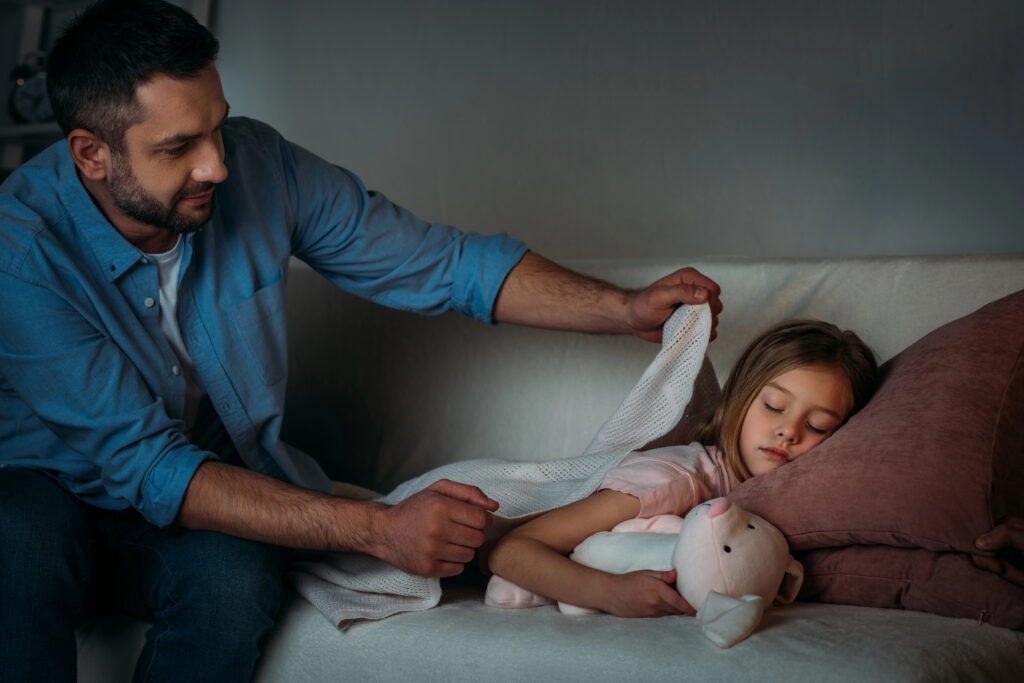
Sleep is a constant for all humans. Just as we need to eat, drink, and breathe to function correctly, organisms also need a stable period of rest. This becomes a little more complicated when kids arrive, though, and sleep for everyone can become a rare and highly sought-after resource.
Enter Melatonin. Not exactly a new thing, but definitely more popular these days, Melatonin is a hormone produced naturally by the body to regulate sleep cycles. For someone with sleep disorders, lab-prepared melatonin can be taken in various forms to help with getting to sleep and sleeping well.
When it comes to kids, it’s always hard for parents to decide whether they need a supplement, be it vitamins or melatonin, to help regulate things that may not have developed yet. In our house, Melatonin has become something of a saviour.
Is Melatonin Safe For Kids?

Post-crib era, when most kids are developing sleep routines, our kids had a lot of trouble. My oldest takes medication that often results in difficulties falling asleep. My youngest is on similar medicines, coupled with an unfortunate amount of anxiety that made bedtime every night seem like an almost futile effort.
Both kids were routinely awake at midnight, and either my wife or I would be stuck in a dark bedroom for hours, trying podcasts, music, stories —anything to get them to go to sleep. This affected not only our sleep, but also our relationship as we were barely spending any time together.
Now, I’m sure that there are a few of you turning up your nose at the idea of staying with a child that long at night, and I assure you, if it had been easier, we would have put them to bed, closed the door, and left. But as any parent knows, sometimes the most straightforward answer is not the one that works, or is possible.
Fortunately, our first child’s namesake is a pediatrician, so we spoke to them about the potential use of melatonin and, more importantly, the possible long-term effects of using it regularly. Together, we decided it would be suitable for our kids, and we started giving them a small dose just before bed. The results were fantastic, going from a 4-5 hour bedtime routine to less than half an hour. It also gave them a chance to develop a healthy sleep routine (from about 8 pm to 8 am), rather than whatever few hours they could manage.
Yes, But Is Melatonin Safe For Kids?

The short answer to that question is: Most likely, but we (and by that I mean science) don’t really know.
We know that Melatonin isn’t addictive or habit-forming. Pediatrician Dr. Jessica Klein says there’s nothing to suggest it might be. “When kids stop using it, the original low dose and controlled release allow their bodies to ease off naturally,” Dr Klein explains.
The Mayo Clinic also says in a report on Melatonin, “Your body likely produces enough melatonin for its general needs. However, evidence suggests that melatonin supplements promote sleep and are safe for short-term use… Treat melatonin as you would any sleeping pill and use it under your doctor’s supervision.”
Dr. Klein agrees, telling Motherly that it’s safe to start at age two under a pediatrician or family doctor’s supervision. Melatonin is helpful for kids with specific sleep conditions or when sleep issues are seriously impacting daily life. As long as a doctor is involved and the kids are monitored for any potential side effects, it’s worth a try.
Melatonin Is a Tool, Not A Cure

For kids with sleep issues, Melatonin isn’t a forever thing. As my kids have aged, they have developed different sleep habits and attitudes towards bedtime that have made it easier to back off using a supplement like Melatonin. Due to their medications having known sleep side effects, we keep some on hand, but for the most part, they haven’t had any side effects we or their doctor(s) have noticed.
Now, I understand that our experience is anecdotal, and there are tons of reputable studies out there that can break down the effects and potential side effects of Melatonin. But the conclusion of most is the same as ours: Melatonin is a short-term solution for sleep issues. It allows the child to develop a reasonable bedtime routine and get better sleep, while letting parents do the same.
Using Melatonin to regulate when and how my kids fell asleep helped their bodies set an appropriate circadian rhythm, allowing them to fall asleep without it. We did all this with the full support and knowledge of doctors. Like in woodworking, it’s about using the right tool for the job, and Melatonin as a tool saved the whole family from a lot of sleepless nights.
This article was written for educational purposes. Our goal is to provide parents with valuable medical information to help them understand the potential risks of allowing their child to take melatonin. We recommend you speak to your medical provider if you have questions about your child‘s use of the supplement. There is no substitute for advice provided by a healthcare provider who understands your child’s personal underlying medical history and needs.