


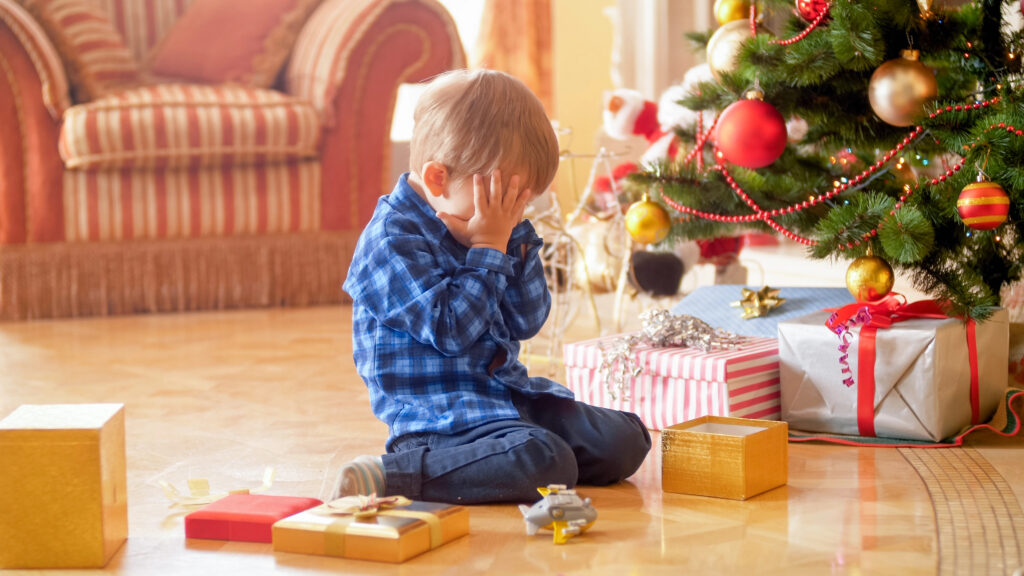
When you have a family with neurodiverse individuals and needs, especially when it involves kids, there’s a lot more to consider at the holidays (like every other day).
Whether you have kids with ADHD, autism, or just higher sensory sensitivity (or a mix of these and other needs), the result is a group of people who may struggle with some of the same festivities that bring joy to those around them. Not only are they uncomfortable, but as kids, they’re likely to respond with meltdowns or other reactions.
You can’t prevent every discomfort or unhappiness, but you can make your kids’ holidays as pleasant as possible, for them and for the whole family. Here are a few tricks and tips that will help.
Prioritize Important Events

For many families, Christmas can look like one scheduled event after another. It may include multiple church events, multiple school events (double or triple that if your kids are in different schools, or if any are in sports, band, or other extracurriculars), multiple family visits, multiple shopping trips, and other events, from cocoa crawls to Santa visits to parades and festivals.
That’s a lot, especially when your kid has been looking forward to the time off from school to catch up on gaming, rest, and just recharging. While we think of Thanksgiving and Christmas as a flurry of joyous activity, our kids may be fantasizing about days with no schedule and no expectations after weeks and weeks of a school routine.
Figure out what matters, and do those activities, but leave plenty of downtime, especially if you already see signs of burnout.
Prepare Your Support Network

Which members of your family are capable of being your support network? Maybe you have one aunt and a grandparent who are just never going to understand that your kids have their own needs, but you know that the other aunt, the older cousin, and your mom and grandma are all super understanding, or can be, with some planning.
Speak to those whom you can rally to your cause, and let them know what you need. Maybe that means, “Hey, can you step in if you notice Grandpa pressuring Johnny to try new foods?” or perhaps it means, “If Sara needs a break, I’m going to let her go sit in the back bedroom. Will that be okay with everyone?”
Plan For Sensory Joy

When we think about sensory sensitivity, we often focus on uncomfortable or upsetting feelings. You can probably rattle them off: your daughter can’t stand the texture of turkey with gravy, your son doesn’t like how jeans and khakis feel, the sound of the refrigerator running grates your nerves.
How sensory items give them, and you, joy? Maybe it’s a fleece blanket, a headband that keeps the hair out of your daughter’s eyes (or, the opposite, letting her wear it like a privacy curtain over her face), or music over your son’s headphones. Whatever sensory items bring joy, plan for their use!
Consider Comfort Foods

For many of us, “comfort foods” are traditional dishes that evoke nostalgia. Turkey, cornbread, and the apple pie your grandma made when you were a kid.
For our sensory kids, it’s whatever food feels “safe,” and those often aren’t on the Thanksgiving menu.
Plan on providing these foods for your child, whether you’re eating at home or visiting family. Yes, it’s fine to pack your child’s chicken nuggets, crackers, cheese, or granola bars.
Just notify your hosts in advance and try to avoid anything that needs to be cooked at their home, since the kitchen is likely to be bustling.
Pack Sensory Rescue Items
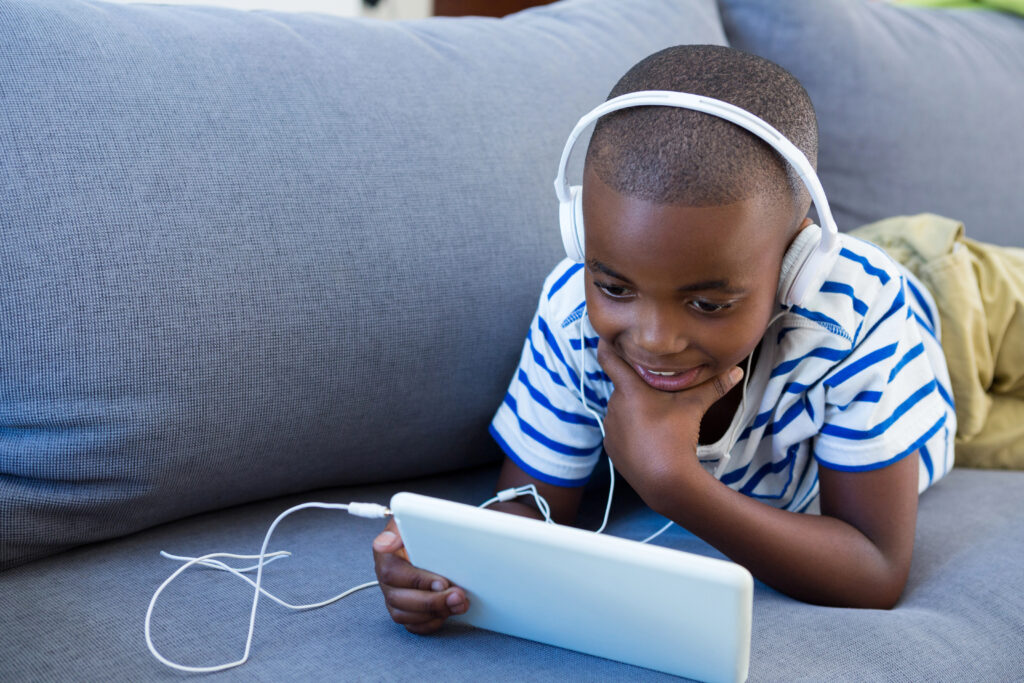
If you’re leaving home, plan items to rescue your kids from sensory overstimulation. Pack the headphones and the earplugs! Pack backup headphones and/or a charger in case they die!
Bring the fidgets! If you can pick up extras (often sold as party favors, piñata filler, or gift bag fodder), bring them to share with the cousins and nieces and nephews! If you can find them with a holiday theme (Santa spinners, elf pop-its, snowman stress balls, etc), then so much the better!
A hoodie or a small blanket can also provide a good way to block out some of the overwhelming light and noise.
Allow A Retreat
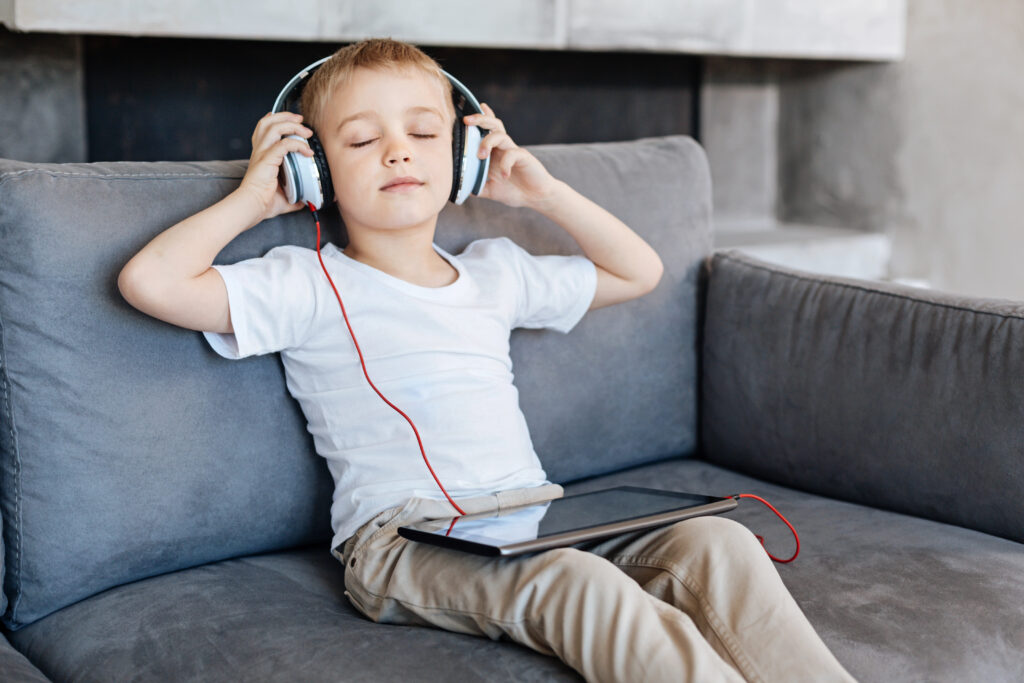
Plan a way that your child can back away from the activity when needed.
This might mean permission to head to their room, or if you’re visiting family, it might mean another room they’re allowed to sit in when they need a quiet space. It might mean they’re allowed to leave the house and take a walk (depending on age, maturity, and safety, of course).
However, depending on how much control you have over the environment, it might mean you excuse yourself and take your child for a short drive, or that you plan to leave early.
Practice Coping Tools & Awareness

Before the holiday arrives, take some time with your child to practice listening to what their body is telling them. Kids may not recognize when they’re becoming overwhelmed until they’re at the point of a meltdown, but (depending on age and ability) they can practice this skill and get better at it.
When your child realizes he is becoming overwhelmed, help him identify practices that soothe him. This could include deep breathing, putting on his headphones, closing his eyes, pulling his hood down to block some brightness, or stepping away from the activity for a while.
Create New Traditions Together
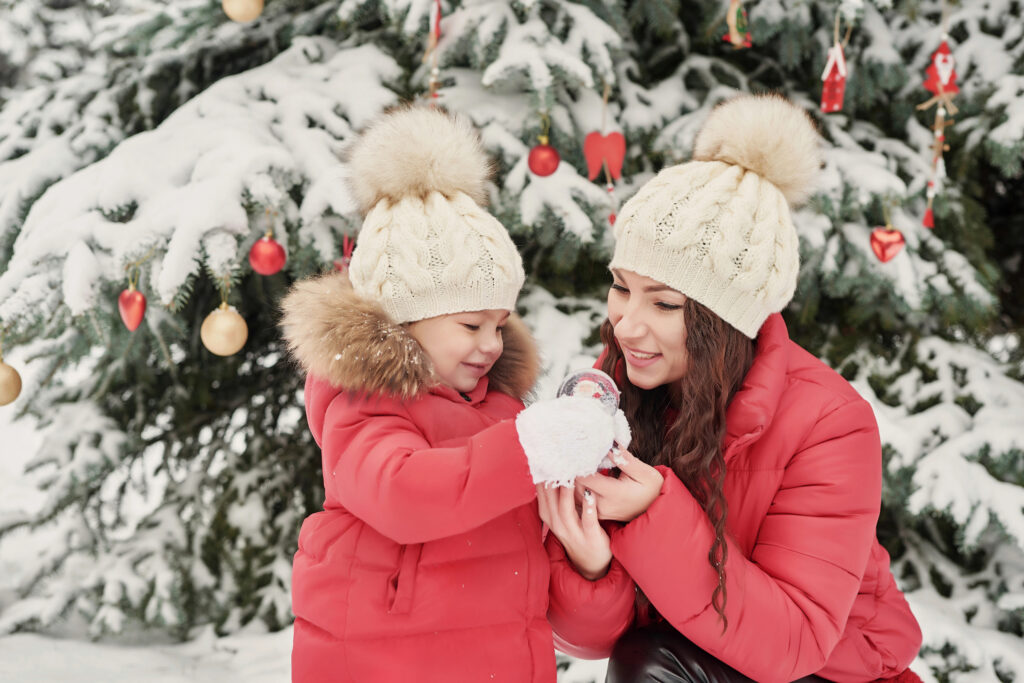
If traditions like carolling or parades are overwhelming for your child, consider creating new traditions together.
Maybe your child would like a Thanksgiving nature walk, or to start a Christmas Eve practice of sitting outside quietly and listening for reindeer bells before bed. Some locations have added sensory-friendly options for Santa visits and Christmas parades (in my town, the parade goes silent for a couple of blocks), so you may be able to keep those traditions with a bit of tweaking.
At home, consider offering your child some input on decorating. Maybe they’d rather have one room decorated instead of the whole house, or to keep one room in its non-holiday state. Perhaps they are less overwhelmed by warm white lights than by blinking colorful ones.
Provide Options When Possible

If your child is old enough to weigh in, let them.
This might apply to matters of their personal comfort, such as whether they want to wear a Christmas dress to Grandma’s or stick with comfy sweatpants. For older teens, it may even mean an option to stay home and have some quiet time alone, skipping some events.
Alternatively, it could mean giving them more say over family events in general. You can ask your child if he’d rather go to the parade, or the ornament-painting event, or if he’s interested in doing both.
Speak Up For Your Kids

If you have neurodiverse kids, there’s a fair chance you have some of the traits (whether or not they rise to the level of diagnosis) yourself, and that’s just one reason this can be a hard one.
When a well-meaning family member or a random stranger demands that your child eat an unwanted piece of fudge, give an unwanted hug, or participate in an uncomfortable tradition, it can be challenging to step in and say, “No, he doesn’t have to.”
However, it’s pretty essential to do that for our kids, so if you expect to struggle, practice in advance!
You can pick a polite phrase like, “Thank you for the thought, but we aren’t making Mike try new foods this holiday,” or “I’m so glad Janie gets this time with her family, but she isn’t comfortable with hugs. How about a fist bump?”
Handle Transition Sensitively

Did I mention that holidays tend to be a lot of bustle and rush?
If you’ve got neurodivergent kids, you probably already know that most of them don’t do so well with sudden transitions. This is hard at holidays, because there are so many things going on that it’s common to be wrapping presents and suddenly realize you should have left the house five minutes ago if you want to be on time.
It’s rough on the kids, though, so if possible, plan on smoothing transitions. Let them know in advance: “We leave for the Christmas parade at 10:45,” and then remind them 15 minutes before the time (more if you know that’s what they need). Plan to set lots of alarms and timers for yourself to keep up!
Allow Comfortable Clothing
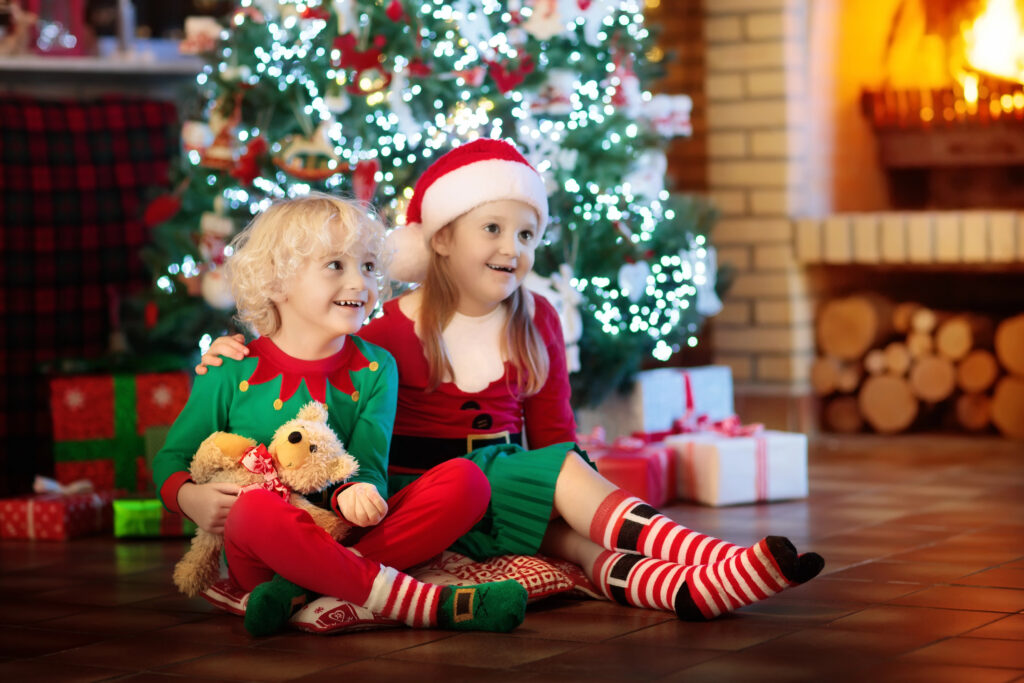
That Christmas dress with the layers of tulle that flare the little skirt out, and the little Peter Pan collar, and the cable-knit tights are utterly adorable. Your little girl is going to be precious in them.
That is, she’s going to be precious for the three minutes they last before she’s in utter misery and melting down because the tulle is itchy, the tights feel squeezy in all the wrong ways, and the collar is stiff and poky every time she moves!
Honestly, there are cute sweatpants with Christmas prints, and your favorite store probably has some simple, more comfortable dresses that are just as cute. If the elfy dress is essential to you, make the trade that she wears it for one quick photoshoot, then wears something that doesn’t set all her nerves on edge.
Practice Greetings & Other Interactions

Holidays often bring together large crowds of people you love but only see a few times a year. These people adore your child, and usually assume your child adores them too, but your child, especially your younger child, may not even remember them. Before the get-together, show your child photos so she can identify that one uncle who lives hours away and the cousin who always asks about her but rarely gets to see her.
Practice greetings in general. If your child struggles with saying, “Hi Grandma,” work out what she can do instead. If she needs to give a wave while peeking from behind your legs, that’s okay too. (You may want to let Grandma know in advance.)
Take Gifts Out Of The Spotlight

Some families open their gifts in a rabid free-for-all, and others take turns opening a single gift while everyone else watches. (Most probably fall somewhere in the middle.) If your family leans towards the “watching” style, you may want to consider that it can put a lot of pressure on some kids.
Some kids, especially some neurodivergent ones, can feel like their faces and voices are being scrutinized when they open a gift, and as though they’re on trial with an obligation to provide the “right” display of emotions.
For these kids, an answer might be allowing them to open a gift in a separate room (especially one that might be emotionally overwhelming), or agreeing that multiple people open gifts simultaneously so they don’t feel the spotlight as strongly.
Keep An Eye On Your Own Sensory Fatigue

When supporting our neurodivergent kids, one key is making sure that we’re handling our own sensory and emotional needs.
Most neurodivergent traits are highly heritable, so if you’ve got a kid who can’t tolerate bright lights and loud noise, there’s a fair chance that either you, your spouse, or both, struggle with those too, even if to a lesser degree. Even if you don’t have any sensory sensitivities of your own, juggling someone else’s can be overwhelming.
Make sure you’re taking breaks when you need them, keeping yourself fed and hydrated, and otherwise meeting your own needs.
There are two reasons for this: first, because if you don’t take care of yourself, you won’t be available to care for anyone else; and second, because you are also a person and deserve to have your own needs met, too.