



One of my favorite parts of Halloween is the group costumes. I know a group of women who dress as the Sanderson Sisters from Hocus Pocus, and it’s always a joy to see. This year, I expect to see lots of kids in their KPop Demon Hunters outfits.
There’s just something special about group costumes. They tell a story of planning, shared interest, and friendship. You can look at two siblings dressed as the Mario Brothers and hear the “Ooooh, I know! I’ll be Mario and you be Luigi!” conversation echoing.
Unfortunately, sometimes they also tell a tale of exclusion and hurt.
The In-Group & The Out-Group
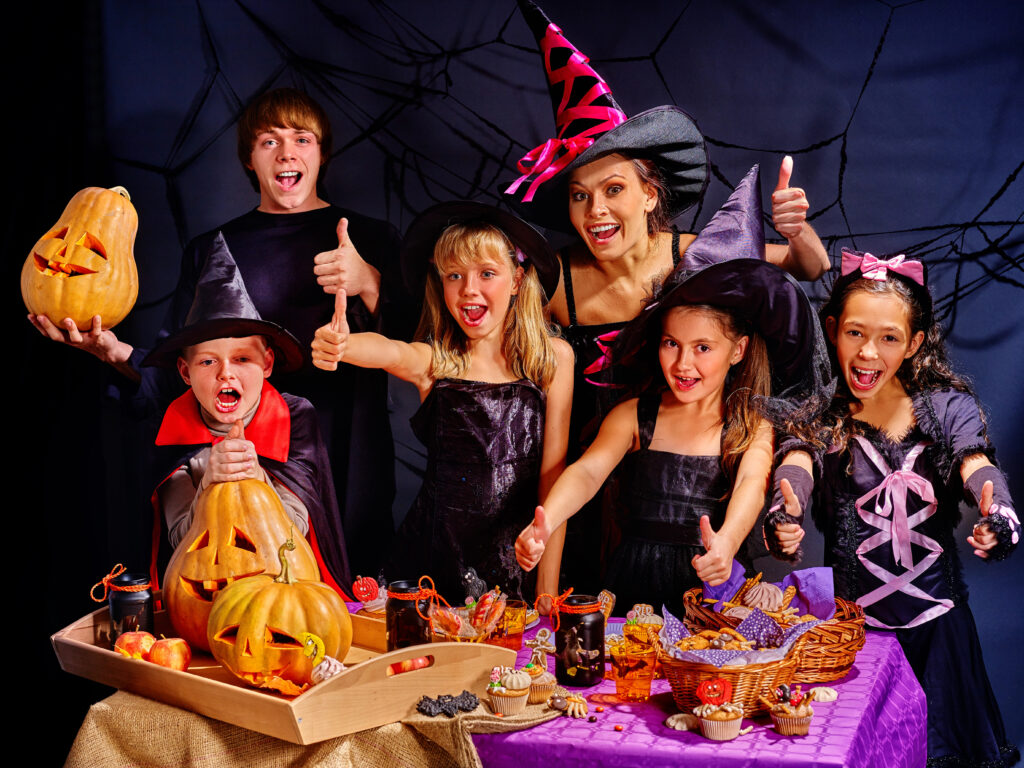
Any time there’s a group activity, it tends to highlight who is included and who is excluded. That social dynamic really starts to show in the preteen years and, unfortunately, can continue into adulthood. (I know adults are reading this at work, looking around, and nodding silently.)
Nobody, including your child, is obligated to be friends with everyone, but you can teach them to be kind and inclusive.
This came up on a recent episode of Today With Jenna & Friends, as the hosts considered a viewer’s conundrum. This viewer’s child and the child’s friends had decided on a group costume, and another parent then contacted the viewer to ask if their child could join as well.
The hosts are visibly uncomfortable as they try to conclude the best way to handle the situation. They conclude that parents can stay out of it and let kids tough it out on their own.
A Psychologist Disagrees
Dr. Noelle Santorelli weighed in after the segment went viral. She pointed out a significant flaw in the logic: if the grown-ups are too scared to face the conflict and discomfort of this situation, what makes them think that middle schoolers can handle it? She says:
“When we avoid those hard moments because of the discomfort, our kids learn to avoid them too.”
Dr. Santorelli has some guesses about the conflict, based on her own observations and experience, and while they’re only guesses, they ring true. More importantly, whether or not they apply to this particular viewer’s Halloween situation, they do apply to the conflicts preteens and teens everywhere juggle, and to how parents can help.
She supposes the kid asking to join the group costume isn’t just a random outsider but a child who thought she was part of the friend group and is currently getting her feelings hurt pretty badly. She also posits that it was not easy for the other parent to reach out and plead for her child to be included, but that this mom did so in support of her child.
She has some suggestions for what parents should do in this situation as well.
What She’s Not Suggesting
Dr. Santorelli isn’t saying that this mom should force her child to include the other kid. She’s not saying that parents should make a habit of stepping in, taking over, and controlling their kids’ friendship decisions.
Instead, she’s advising that parents show their kids it’s okay to face social discomfort head-on. The mom who reached out did something tricky, and now the mom who shared the story has some options.
She could tell the other mom no, or ignore the message, and leave it to the kids to figure out.
Or, as Dr. Santorelli advises, she could take some reasonable steps, like talking to her daughter and asking questions like, “Who’s in the group?” and “Do you think anyone feels left out?”
The kids can decide who is in their friend group, but taking the first step to ask is essential. This mom can still respond to the other mom honestly, whether that ends up being, “Sure! Sophie would love to have your daughter join!” or “I’m sorry, the kids have already made their plans and I’m not going to override them.”