


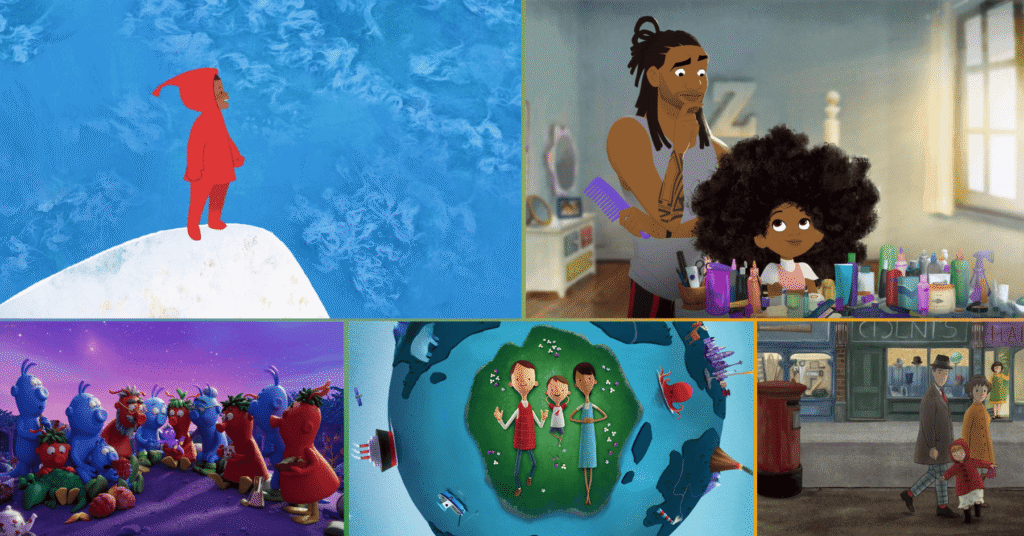
When you’re raising four kids with dramatically different personalities and attention spans, you quickly learn that not all screen time is created equal. Some shows calm the room instantly. Some spark curiosity. And a rare few make your kids curl up beside you because the story feels familiar, warm, and safe. That’s exactly what these book-to-screen shorts deliver. They’re just long enough to feel meaningful, just short enough to fit between homework, dinner, and bedtime battles, and they bring beloved picture books to life in a way that feels almost magical.
As a dad of three girls (3, 8, and 13) and one boy (11), I’ve sat through a lot of kids content and I feel like I have a great grasp on what kids of different ages, sexes, and interest will enjoy. The book-to-movie features I’ve listed are beautifully crafted, faithful to the original stories (for the most part), and emotionally rich in ways that help kids process big feelings with gentle guidance. They also hold the rare power to gather siblings of different ages into one room without an argument breaking out. That alone is worth celebrating.
Whether your kids already love these books or you’re introducing them for the first time, this curated list highlights some of the best, most heartfelt short films based on children’s picture books. These are the adaptations that stay with families because they teach meaningful lessons, spark conversations long after the credits roll, and remind your kids (and you) what makes storytelling so special.
Room on The Broom (Runtime: 27 minutes)
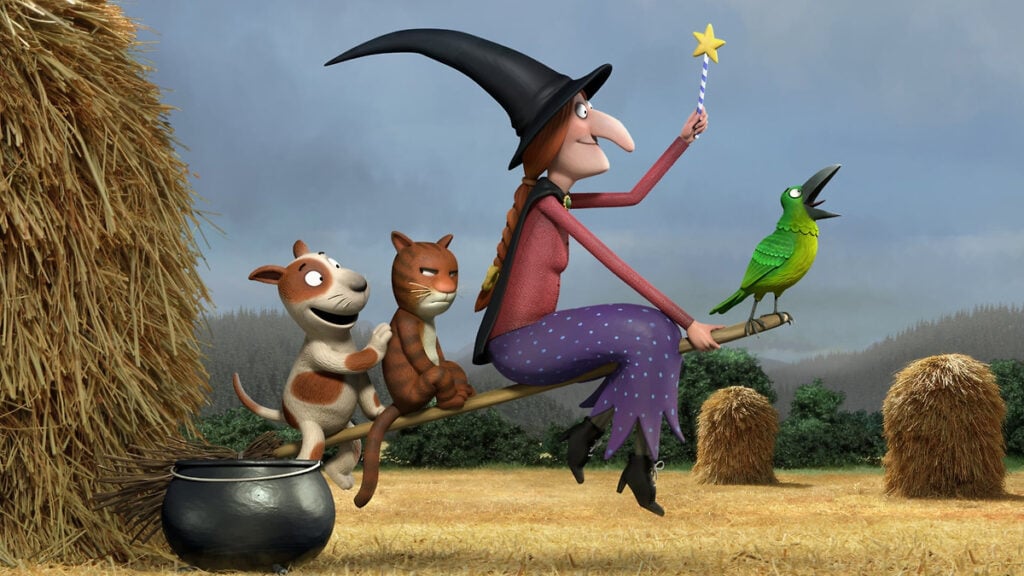
A friendly witch and her loyal cat set off across the skies, welcoming a series of hopeful animals who each ask to join their journey. What begins as a quiet broomstick ride quickly becomes a lively traveling crew that grows heavier, funnier, and more chaotic with each new friend. Their adventure takes a dangerous turn when a hungry dragon appears, forcing the group to work together in a way that surprises even the skeptical cat. The story blends humor, warmth, and mild suspense in a way that keeps young kids engaged without overwhelming them.
The short film is an incredibly faithful adaptation of Julia Donaldson and Axel Scheffler’s book, matching the original tone, rhyme structure, and character personalities with impressive accuracy. The visual style mirrors the illustrations while adding depth and expression to each scene. Most moments follow the text exactly, with only minor expansions to support pacing and atmosphere. The dragon is slightly more intense on screen, but the tone always remains playful rather than frightening. This is a popular book in my house during the spooky season and the short has been watched on repeat.
What Kids Learn From Room on the Broom: Children learn that kindness is powerful even when it’s inconvenient, and that welcoming others can transform a lonely journey into a shared adventure. The film gently shows how empathy builds trust and how teamwork becomes stronger when everyone is valued. Kids also see that misunderstandings between friends are natural but solvable, especially when characters show patience. The story emphasizes that helping others often leads to unexpected rewards, and that generosity can become a source of strength in frightening moments. Ultimately, young viewers learn that friendship isn’t about perfection—it’s about showing up for one another when it matters most.
The Gruffalo (Runtime: 30 minutes)
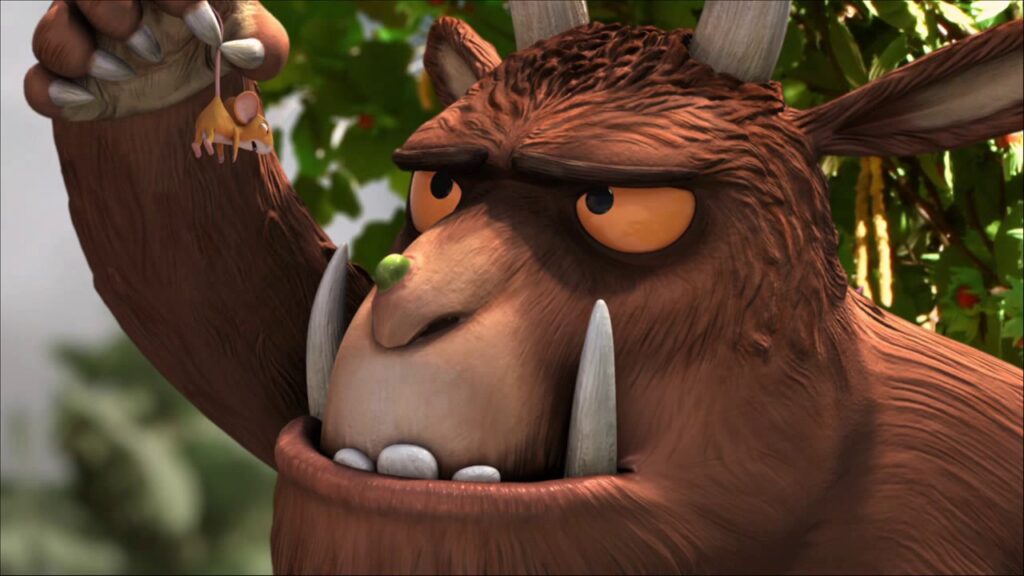
The story follows a clever, soft-spoken mouse who strolls through the forest and manages to outwit a series of hungry predators. Each larger and more intimidating creature—Fox, Owl, and Snake—hopes to eat him, but the mouse keeps them at bay by inventing a terrifying beast called the Gruffalo. His confidence falters when he discovers the Gruffalo is real, turning his quick wits into his only defense in a suddenly very real situation.
This short film remains remarkably true to Donaldson’s original book. The pacing mirrors the rhythmic repetition, and the animation honors the iconic illustration style while adding nuance. Dialogue is lifted almost word-for-word from the text, and the emotional beats are expanded just enough to bring depth without straying from the source material. The film adds atmospheric forest details and subtle humor but never compromises the original storytelling voice. This is one of those cases where I felt like the original material was truly coming to life and my kids may actually like the short feature more than the actual book.
What Kids Learn From The Gruffalo: Children learn that courage doesn’t always look loud or dramatic—sometimes it’s the bravery to trust your ideas even when you feel small. The mouse shows kids that intelligence can be a powerful tool, especially when facing challenges that seem bigger than they are. Young viewers also see how creativity can help solve problems in unexpected ways, and that confidence—even if you have to practice it—can shape how the world responds to you. The movie reinforces the idea that being underestimated isn’t a weakness when you know your strengths. Through the mouse’s journey, kids understand that calm thinking, quick decisions, and belief in themselves can carry them through intimidating moments.
The Gruffalo’s Child (Runtime: 30 minutes)
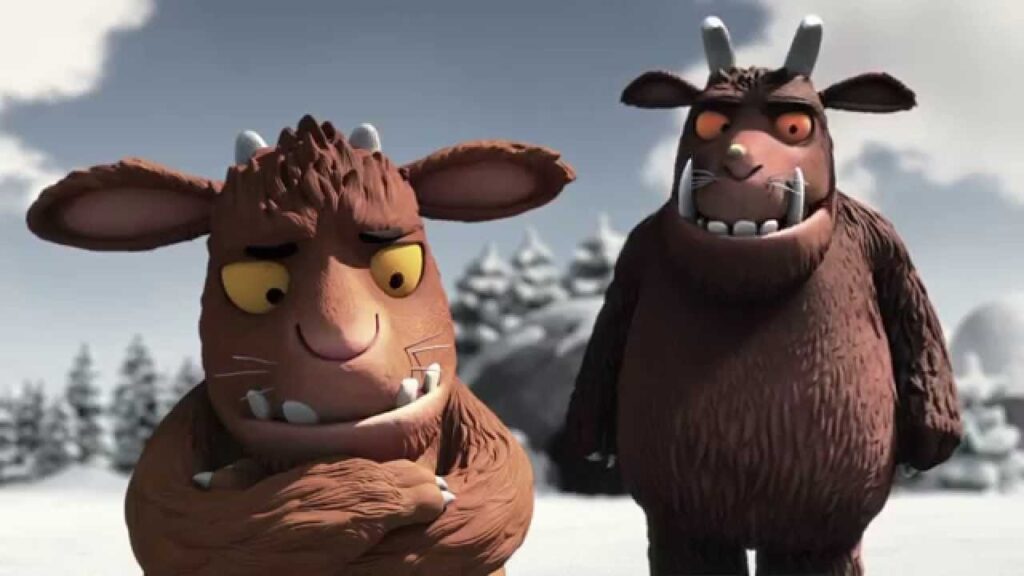
The Gruffalo’s daughter, curious and bold, ventures into the deep, dark woods after hearing stories about the fearsome Big Bad Mouse. Ignoring her father’s warnings, she sets off on a nighttime adventure where she meets the very creatures who once feared her father. Each encounter paints the mouse as a towering monster, making her eventual meeting with the tiny real mouse all the more surprising—and dangerous.
The film is a faithful continuation of the original Gruffalo tale, keeping the poetic structure, gentle suspense, and expressive character animations that define Donaldson’s style. The adaptation adds atmospheric snowfall, richer forest environments, and more expressive interactions, but it does not alter the book’s themes or pacing. The daughter’s emotional arc—hopeful, brave, naïve, and finally humbled—is portrayed with thoughtful detail.
What Kids Learn From The Gruffalo’s Child: Children learn that curiosity is a wonderful trait, but it needs to be paired with caution and thoughtful decision-making. The story shows how assumptions based on fear or legend can cloud judgment and how important it is to look closer before leaping to conclusions. Kids also see that independence comes with responsibility, and that mistakes, while uncomfortable, are valuable opportunities for growth. By watching the daughter navigate the truth about the mouse, children understand that bravery isn’t about ignoring advice—it’s about learning when to listen and when to think for yourself. The film encourages empathy, humility, and respect for others’ experiences.
Stick Man (Runtime: 27 minutes)
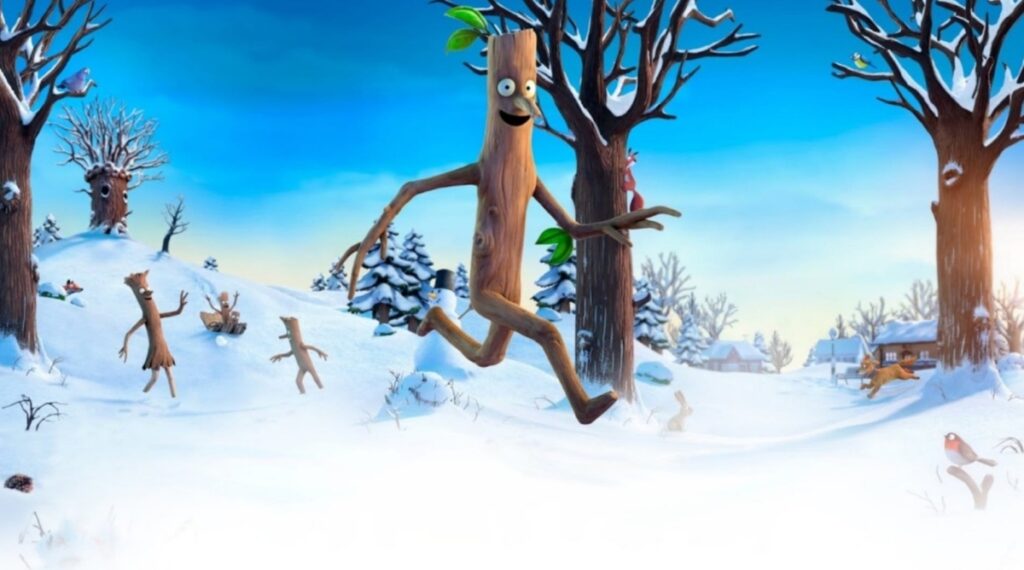
Stick Man begins his day on a peaceful morning jog, only to be mistaken for everything except what he actually is. Over the course of a single journey, he becomes a toy, a baton, kindling, and even part of a sandcastle. The more Stick Man tries to return home, the further he seems to drift away from his Stick Lady Love and their children. His adventure eventually places him in a life-or-death situation on Christmas Eve, offering one final chance to find his way home.
The film adaptation stays exceptionally faithful to the book, maintaining its emotional arc and whimsical tone. The animation expands the world with seasonal landscapes, expressive characters, and a few added sequences that enrich the pacing without changing the narrative. Despite these expansions, the story’s core message, tension, and structure are identical to the original. The signature Donaldson rhythm remains intact throughout. My three and seven year old daughters love the outdoors, especially frolicking in the snow, so this was an instant hit in our house.
What Kids Learn From Stick Man: Children learn that perseverance matters even when challenges keep piling up. Stick Man’s journey shows that setbacks don’t define the outcome—persistence does. Kids also see how deeply love and family can motivate someone to keep going, even when fear or exhaustion might take over. The story reinforces the idea that asking for help is sometimes the bravest choice, not a weakness. Through Stick Man’s resilience, children understand that difficult days can still lead to meaningful victories. The emotional payoff demonstrates that hope becomes stronger when you refuse to give up on the people who matter most.
Lost And Found (Runtime: 24 minutes)
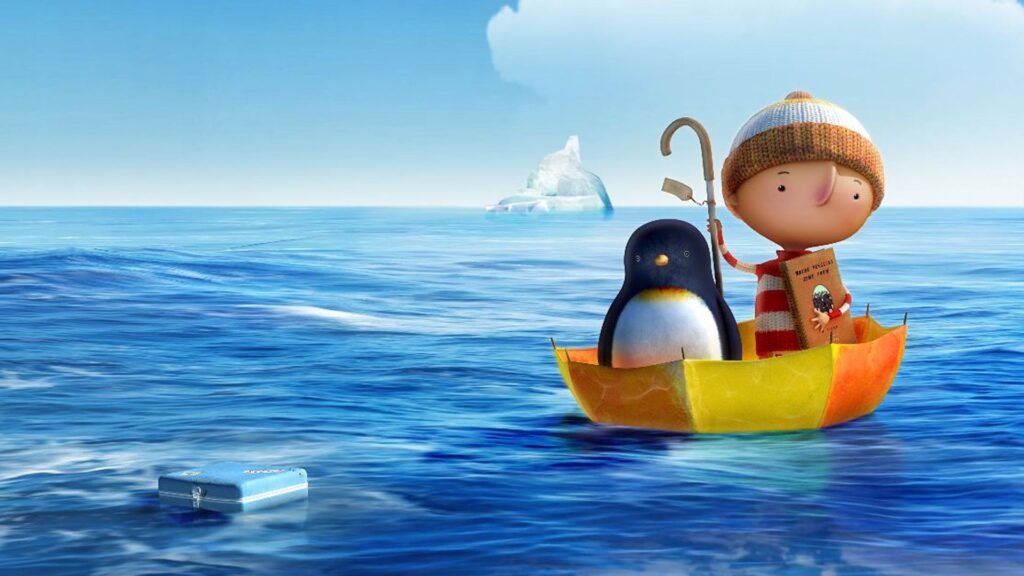
A young boy discovers a penguin standing quietly at his doorstep, and believing it must be lost, he sets out to help it find its home. His attempts to return the penguin lead him across the ocean in a small boat, where their shared journey brings moments of fear, wonder, and deepening companionship. Along the way, the boy realizes that solving a problem isn’t always as simple as it seems—and that sometimes what someone needs most isn’t rescue but connection.
The adapted film remains loyal to Oliver Jeffers’ distinct visual style and emotional tone. The story expands naturally with added moments aboard the boat, gentle humor, and environmental details that highlight the growing friendship between the two characters. None of these additions contradict the book’s simplicity; instead, they enrich the themes of belonging and empathy that define Jeffers’ work. The pacing retains its softness, making it ideal for sensitive or thoughtful children. My son is a huge animal lover and this book-to-screen adaptation hit home with him on first viewing.
What Kids Learn From Lost and Found: Children learn that helping others isn’t always about fixing what looks wrong on the surface—it’s about understanding what someone truly needs. The story shows that companionship can be the greatest gift, even when the situation seems confusing. Kids see how empathy grows through shared experiences and how listening carefully to others’ feelings can lead to deeper connection. The boy’s journey demonstrates that intentions matter, but awareness matters even more. Through the penguin’s quiet presence, children learn that friendship often begins when we slow down enough to notice who might need us.
The Smeds And The Smoos (Runtime: 27 minutes)
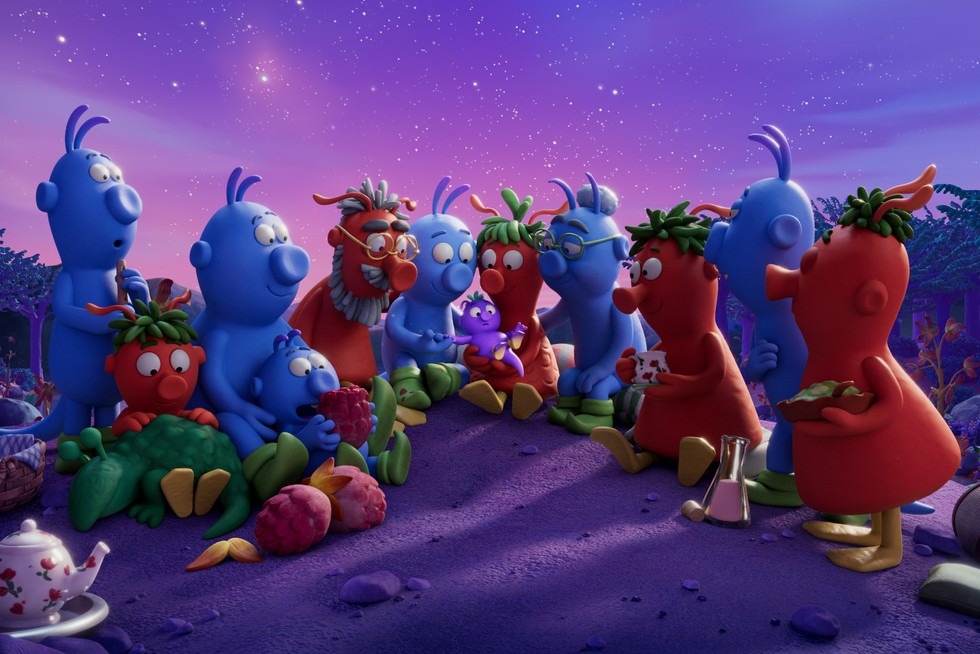
In a colorful galaxy where Smeds and Smoos stubbornly refuse to mix, young Janet the Smed and Bill the Smoo form an unlikely friendship that blossoms into something deeper. Their bond challenges generations of tradition, leading both families to confront their long-held prejudices when the two young aliens suddenly vanish. The intergalactic adventure that follows becomes a lesson in unity wrapped in a playful, whimsical journey.
The film honors the tone and structure of Donaldson’s original book with careful precision. While the animation expands on the alien landscapes and offers more emotional reactions from supporting characters, the storyline follows the text faithfully. The humor, musicality, and pacing all reflect the book’s core voice. Even with added scenes to support runtime, every creative choice aligns with the original themes of acceptance and understanding. This is a great addition to any family’s library, and we admittedly watched the short before discovering the book, and both are a hit in my house!
What Kids Learn From The Smeds and the Smoos: Children learn that differences are something to celebrate, not fear. By watching two families confront prejudice, kids see how misunderstandings can grow when people avoid those who aren’t like them. The story encourages young viewers to look beyond appearances and to recognize the kindness and shared humanity within everyone. Janet and Bill show kids that friendships can form naturally when curiosity is allowed to replace fear. The film ultimately teaches that love—whether platonic or familial—has the power to bridge divides that once seemed impossible to cross.
We’re Going On A Bear Hunt (Runtime: 25 minutes)
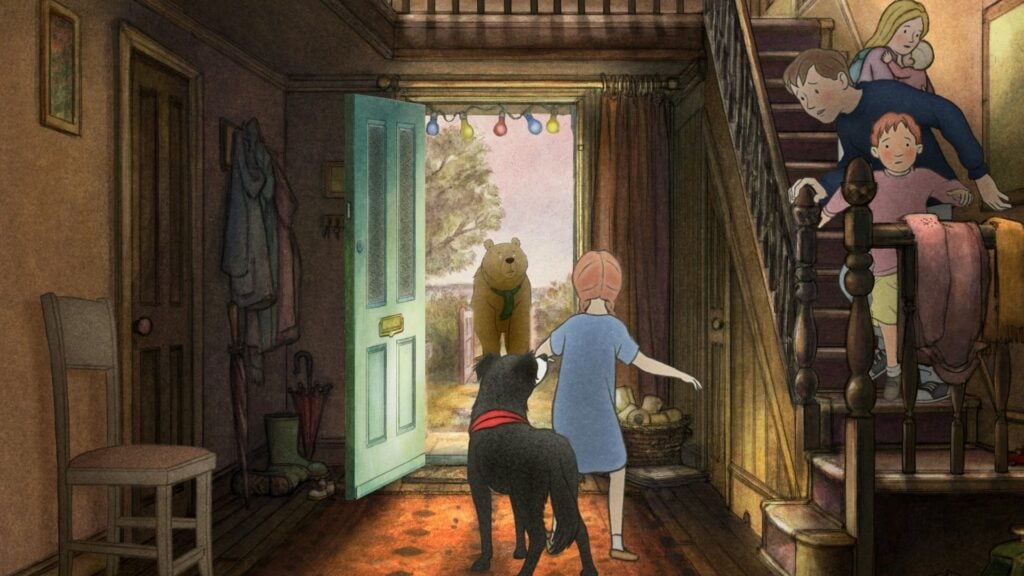
A family sets out on an imaginative adventure through tall grass, thick mud, rushing rivers, swirling snowstorms, and dark forests as they search for a bear. With rhythmic repetition and sensory-rich environments, each obstacle becomes a playful challenge that captures the exploratory spirit of childhood. When the family finally encounters the bear, the humorous chase back home mirrors the book’s iconic structure and reinforces its cyclical rhythm.
The film stays true to Michael Rosen’s beloved text, retaining its repetition and lyrical pacing. While the narrative adds emotional depth involving the family’s dynamics and the youngest sibling, these changes enhance the story without altering its essence. The visual environments feel expansive yet comforting, and the overall tone remains aligned with the gentle adventure of the original story. The result is an adaptation that feels both classic and refreshing.
What Kids Learn From We’re Going on a Bear Hunt: Children learn that bravery is not the absence of fear but the willingness to push forward even when something feels unfamiliar. The film helps kids understand that curiosity can be exciting, but it also requires awareness and reflection. Through the family’s reactions, young viewers see that coming together during tense moments builds security. The story encourages kids to embrace adventure while also valuing the safety of home. It shows that even intimidating experiences can become meaningful memories when handled with care and connection.
Hair Love (Runtime: 7 minutes)
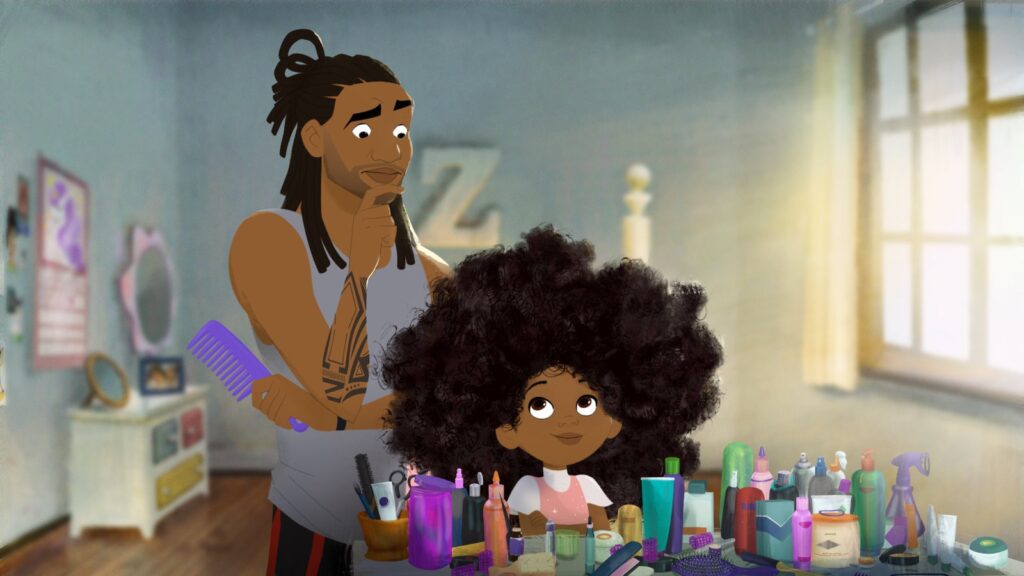
This emotionally rich short follows a father attempting to style his daughter’s hair for a special day. As he struggles with unfamiliar tools, techniques, and tangles, the film highlights their bond through moments of frustration, determination, and tenderness. The story blends humor with vulnerability, creating a heartfelt portrayal of the love that grows from showing up for someone who depends on you.
The short film aligns beautifully with the themes of the picture book, as both were crafted together to tell the same story. The animation adds expressive emotion and visual detail that deepen the narrative without changing its intent. Every creative decision—from character design to pacing—reinforces the message of love, representation, and confidence. The adaptation remains true to the spirit of the book while enriching it with visual storytelling. This is my personal favorite short film adaptation of a children’s book. The narrative is beautifully weaved throughout the film and the message it delivers is exceptional.
What Kids Learn From Hair Love: Children learn that love often looks like effort, patience, and showing up—even when something is hard or unfamiliar. Watching the father navigate a new challenge teaches kids about determination and empathy. They see how important it is to try, fail, and try again, especially when the goal is to help someone you care about. The story also reinforces the beauty of individuality and self-expression through hair, identity, and culture. By experiencing both the struggles and the triumphs, kids understand that connection grows through the small everyday moments that families share.
Here We Are: Notes for Living On Planet Earth (Runtime: 35 minutes)
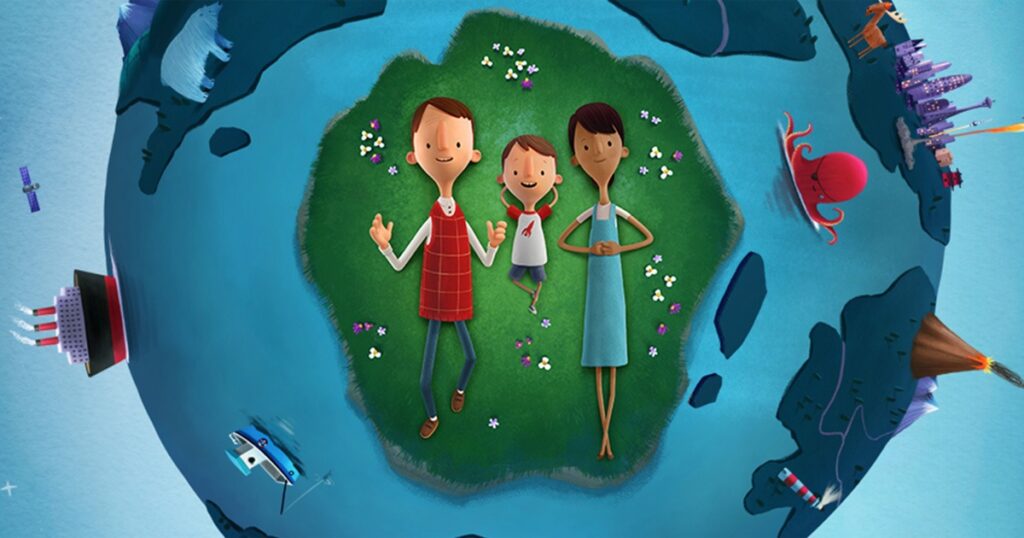
This adaptation follows a young boy exploring Earth with the help of gentle narration and thoughtful guidance from his parents. Through vivid depictions of oceans, landscapes, wildlife, and human diversity, the story becomes an introductory “tour” of the planet. The film weaves emotional depth into the educational foundation of the original book, turning its simple explanations into a more fully realized journey.
The adaptation expands significantly upon the original picture book, adding narrative arcs, character dialogue, and visual storytelling designed to support its longer runtime. Even with these additions, the spirit of Oliver Jeffers’ messages of curiosity, connection, and global awareness—remains fully intact. The film strengthens the book’s themes by giving children a more immersive sense of place, scale, and emotion. I actually expanded my initial book-to-screen list from a 30-minute time limit to 35 minutes because I really wanted more parents to discover this adaption, and maybe even the book it was created from because both are excellent resources for kids.
What Kids Learn From Here We Are: Children learn that the world is vast, interconnected, and filled with people and places deserving of respect. The story encourages curiosity about how the planet works and how humans fit into it. It subtly teaches that small actions matter and that empathy should guide our choices. Kids see the importance of caring for others, understanding different cultures, and appreciating the environment. The film reinforces the idea that we all share responsibility for the world we call home, and that kindness is one of the most powerful tools we have.
The Most Magnificent Thing (Runtime: 22 minutes)
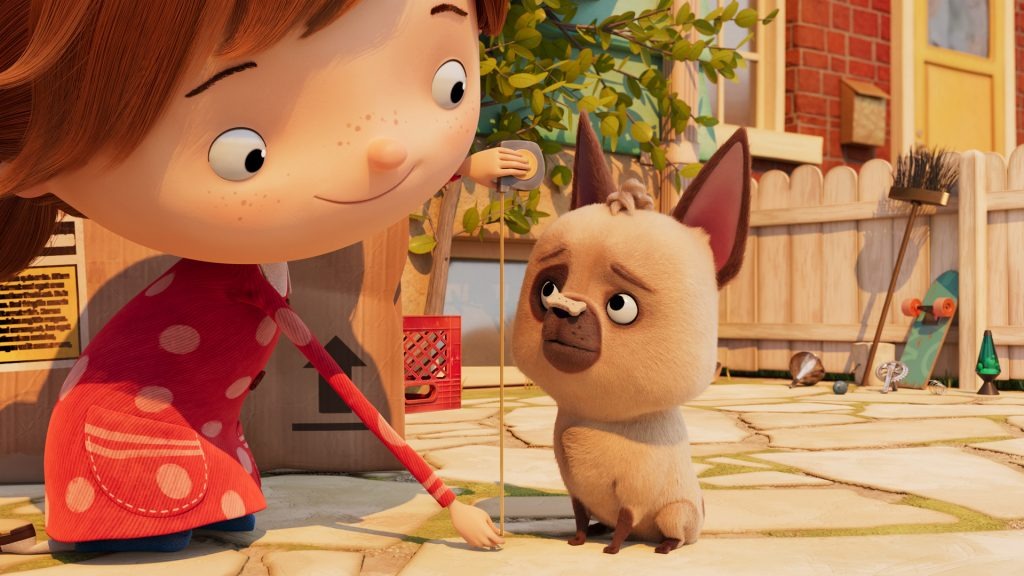
A young girl sets out to build the “most magnificent thing,” but quickly becomes frustrated when her creation doesn’t match her vision. Her repeated attempts lead to emotional highs and lows, including anger, disappointment, and eventual reflection. Through trial and error, she discovers that creativity is rarely straightforward and that stepping back can be just as important as pushing forward.
The adaptation follows Ashley Spires’ book closely, preserving its emotional sincerity and message. The film expands moments of frustration and contemplation, showing the girl’s inner world with detail that enhances the narrative. These additions support the themes of perseverance and emotional regulation without altering the core story. The result is a thoughtful, faithful adaptation.
What Kids Learn From The Most Magnificent Thing: Children learn that frustration is a natural part of any creative process, and that taking breaks can be just as productive as working hard. The story teaches kids to honor their feelings without letting those emotions take control. They see how patience and self-reflection help ideas grow stronger and clearer. Through the girl’s journey, young viewers understand that mistakes aren’t failures—they’re stepping stones. The film encourages kids to embrace challenges, recognize their effort, and celebrate the joy of making something meaningful.
The Snail And The Whale (Runtime: 26 minutes)
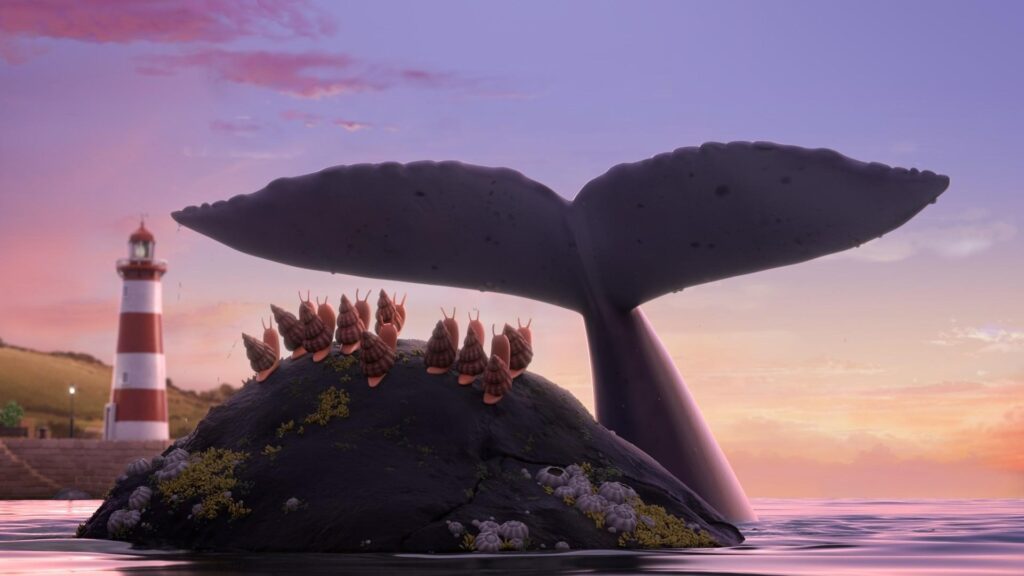
This heartwarming story follows a small sea snail who dreams of exploring the world and hitches a ride on the tail of a gentle humpback whale. Together they travel across oceans, through storms, and over breathtaking waterscapes, forming a deep bond as they encounter new animals and unfamiliar environments. Their adventure takes a dramatic turn when the whale becomes stranded, forcing the determined little snail to find a way to save her giant friend despite her tiny size.
The film stays remarkably faithful to Julia Donaldson and Axel Scheffler’s book, preserving the poetic rhyming structure and sweeping sense of scale that make the original story so memorable. The visuals expand on the watercolor illustrations in ways that feel organic, offering panoramic views of oceans, coral reefs, and icebergs. While a few scenes are lengthened to support the runtime, every addition reflects the book’s themes of bravery, friendship, and environmental awareness. If your kids love adorable little stories and animals, this will likely be a hit.
What Kids Learn From The Snail and the Whale: Children learn that courage isn’t measured by size but by heart and determination. The snail’s bravery demonstrates how even the smallest individuals can create meaningful change when they believe in themselves. The film shows kids that helping others sometimes requires stepping outside their comfort zone and that friendship grows stronger through acts of loyalty and compassion. It also gently introduces ideas about protecting the environment and respecting the creatures we share the planet with. Ultimately, the story teaches that every voice—even a tiny one—matters when someone needs help.
Zog (Runtime: 27 minutes)
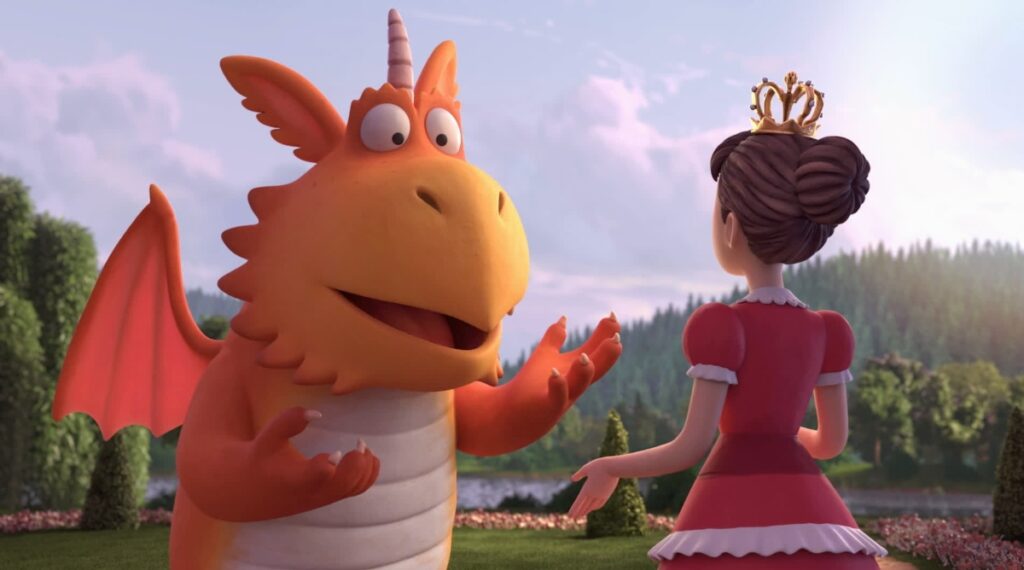
Zog is a lovable young dragon attending dragon school, where he works hard to master skills like flying, roaring, and fire-breathing. Despite his enthusiasm, he struggles with each new lesson and often ends up with bumps, bruises, and setbacks. A kind girl named Pearl helps him after each mishap, forming an unexpected friendship that encourages Zog to keep trying, even when he feels discouraged. Their connection challenges expectations and opens the door to a surprising new future.
The adaptation reflects the original book with impressive accuracy, reproducing Donaldson and Scheffler’s quirky humor and endearing character designs. While the film adds small bits of dialogue and comedic timing to build out scenes, it never strays from the story’s fundamental message. The pacing closely mirrors the book’s structure, and Zog’s personality is animated in a way that deepens his charm without altering his core traits.
What Kids Learn From Zog: Children learn that effort matters more than perfection, and that making mistakes doesn’t mean you’ve failed—it means you’re learning. Zog’s repeated attempts show kids that persistence builds confidence over time, especially when paired with encouragement from supportive friends. The story reinforces the value of compassion, as Pearl consistently offers help without expecting anything in return. It also teaches kids to rethink traditional roles and consider how their interests might lead them down unexpected paths. Through Zog’s journey, young viewers discover that success is often built on resilience, openness, and the willingness to grow.
Zog And The Flying Doctors (Runtime: 26 minutes)
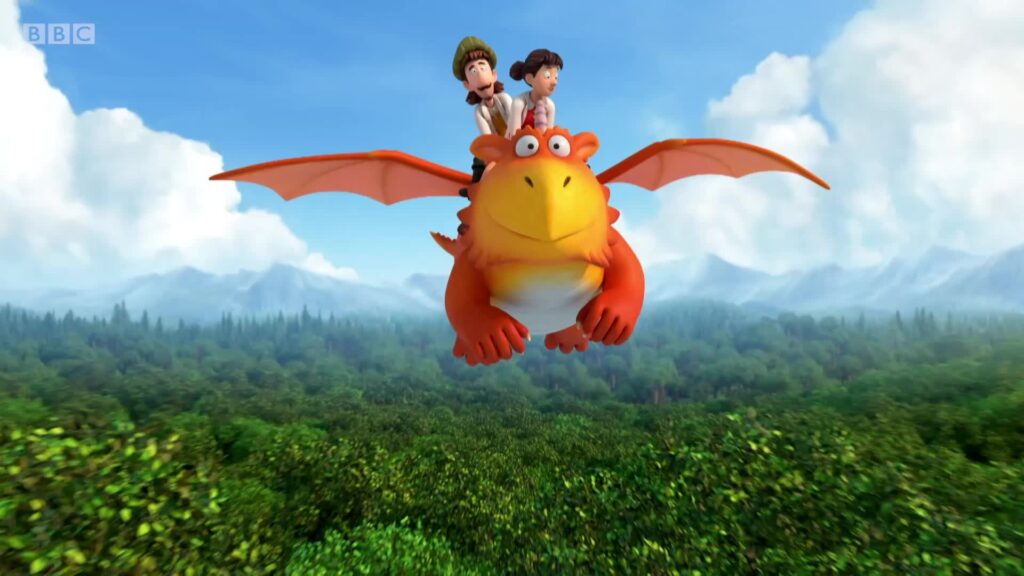
In this adventurous sequel, Zog teams up with Pearl and Sir Gadabout to work as a trio of flying doctors who travel the kingdom helping creatures in need. Their missions include treating mermaids, lions, and unicorns, all while navigating the disapproval of Pearl’s uncle, the king. When Pearl is forced into a restrictive royal role, the team must find a way to reunite and continue pursuing the work they love.
The film expands naturally on the book while maintaining Donaldson’s original cadence, humor, and worldbuilding. The animation adds vibrant landscapes and expressive character moments that enhance the storytelling without overshadowing the core narrative. The adaptation remains loyal to the text while deepening the relationships between Zog, Pearl, and Gadabout, making the emotional stakes more pronounced and meaningful. Both Zog shorts on this list have been hits in my house, but I also have a family of dragon loving kids, which is fair since their dad’s favorite movie is How To Train Your Dragon.
What Kids Learn From Zog and the Flying Doctors: Children learn that helping others is a powerful calling, even when the world around them doesn’t fully understand or approve of their dreams. Pearl’s determination shows kids that following your passions sometimes requires bravery and creativity. The film also highlights how teamwork blends different strengths into something extraordinary. Kids see that compassion, curiosity, and problem-solving are skills worth celebrating—especially when they challenge outdated norms. Ultimately, the story teaches that identity is something you get to define for yourself.
The Highway Rat (Runtime: 25 minutes)
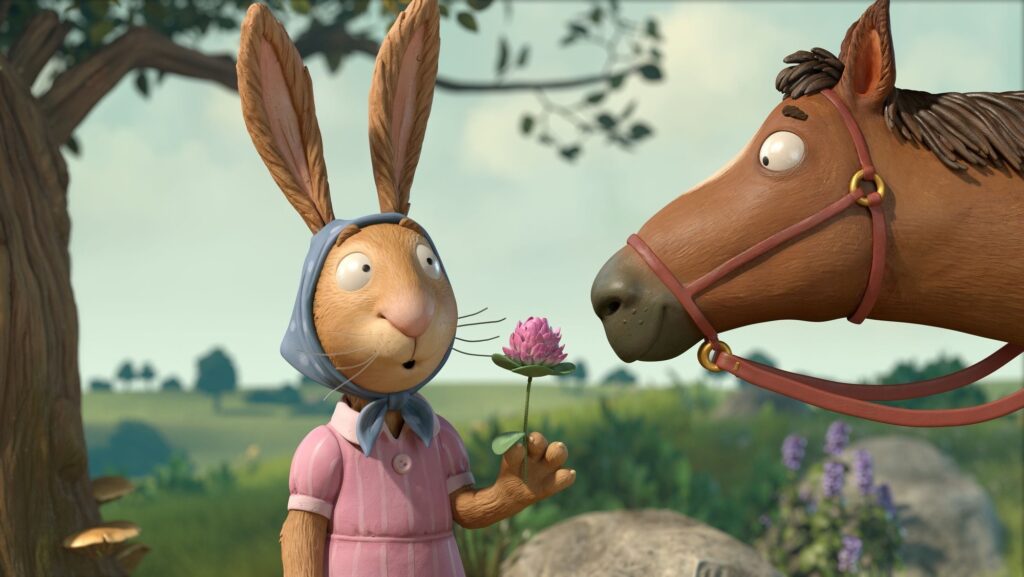
This tale follows a selfish, greedy rat who rides along the highway stealing food from innocent travelers—cookies, cakes, clover, and even crumbs. His thievery leaves a trail of unhappy animals behind him until his overconfidence leads him into a situation he can’t control. A clever duck ultimately teaches him a lesson he won’t forget, turning the story into a humorous redemption arc.
The film adaptation stays almost entirely faithful to Donaldson’s book, replicating the rhythmic, playful storytelling with beautiful visual flourishes. The expressive animation adds personality to the animals and countryside scenes, enhancing the humor and moral clarity of the story. While the film slightly expands the rat’s antics for comedic effect, it never strays from the original message about greed and humility. My youngest thought this movie was entertaining and it kept her three-year-old attention span for the full 25 minute runtime.
What Kids Learn From The Highway Rat: Children learn that selfishness often backfires, and that kindness and honesty lead to healthier, happier relationships. The Highway Rat’s downfall illustrates how greed creates isolation, while generosity builds community. Kids see that taking from others doesn’t create real satisfaction—it just harms the people around you. Through the clever duck’s actions, young viewers also learn that justice doesn’t always require confrontation; sometimes it simply requires wisdom and patience. By the end, the film shows that change is possible when someone finally confronts the consequences of their choices.
Tabby McTat (Runtime: 27 minutes)
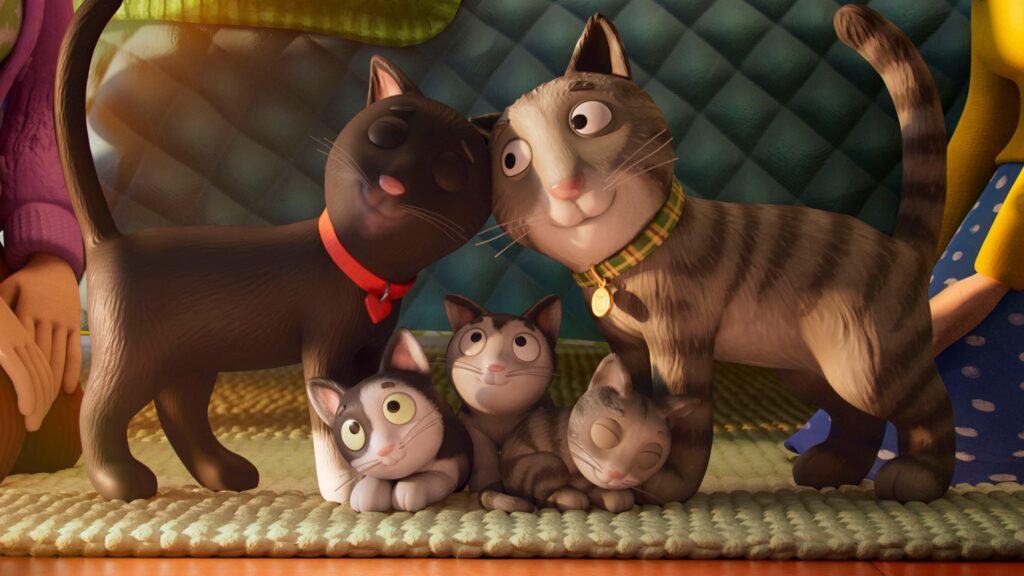
Tabby McTat is a singing street cat who performs alongside his busker friend Fred. When an accident separates them, Tabby must build a new life, eventually finding a home, a family, and a sense of belonging. Even with his new responsibilities, he never forgets Fred and must decide how to balance the love he has for his new family with the loyalty he feels toward his old companion.
This adaptation stays deeply rooted in Donaldson and Scheffler’s original story, preserving its emotional beats and musical charm. The film expands the cat’s adventures and relationships slightly, offering a more complete sense of his journey without altering the book’s heart. The visuals, songwriting, and pacing support a gentle tone that mirrors the quiet tenderness of the text. In a house full of cat lovers, this was bound to be a hit and It delivered for all of my kids, even my picky 13-year-old thought it was really cute.
What Kids Learn From Tabby McTat: Children learn that love can grow in new directions without erasing old connections. Tabby’s journey helps kids understand that family can be chosen or found, and that people (or cats) can care about multiple homes or relationships at once. The story also shows how loyalty doesn’t mean staying stuck in the past—it means remembering where you came from while embracing new chapters of life. Kids see that growing up often involves making thoughtful decisions about what—and who—matters most. Ultimately, the film teaches that belonging can take many forms, each meaningful in its own way.
The Tiger Who Came To Tea (Runtime: 24 minutes)
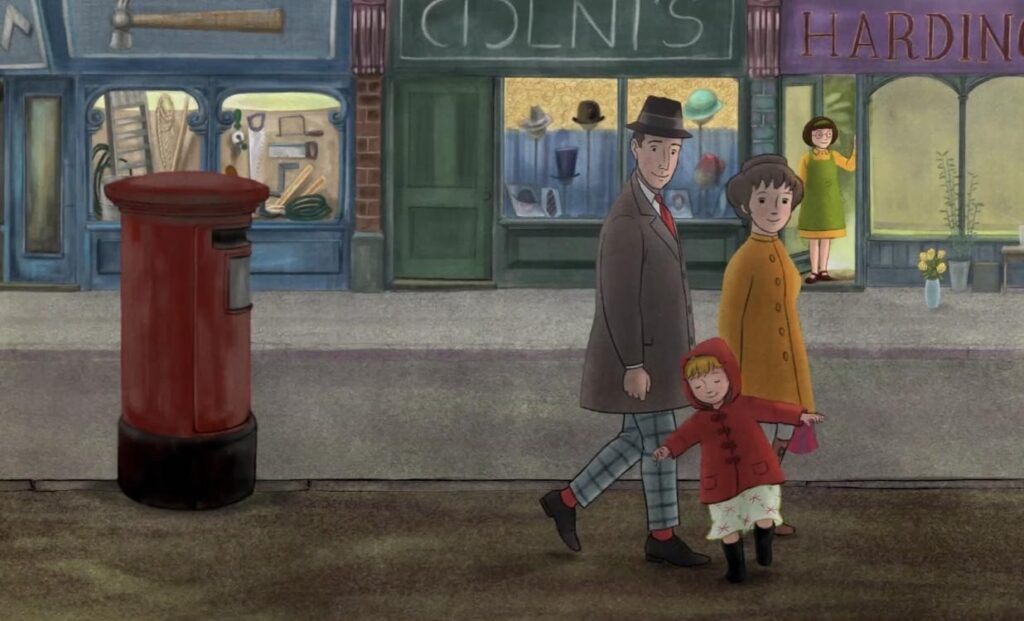
A polite but very hungry tiger shows up at Sophie’s door and joins her for tea, eating and drinking everything in the house with gentle, humorous chaos. Sophie and her mother remain gracious even as cupboards are emptied and routines disrupted, turning the unexpected visit into a whimsical, unforgettable afternoon. The story ends on a cozy note that reflects the charm of childhood imagination.
The film adaptation closely replicates Judith Kerr’s classic, preserving its gentle pacing, mild absurdity, and warm visual aesthetic. The animation embraces the book’s original watercolor style while adding expressive character movements that enrich the storytelling. The adaptation doesn’t modernize or alter the narrative, staying true to the book’s timeless appeal and simple structure.
What Kids Learn From The Tiger Who Came to Tea: Children learn that unexpected moments can become treasured memories, even when they disrupt routines. The story encourages flexibility and imagination, showing kids that not everything needs to make perfect sense to be enjoyed. Sophie’s polite curiosity and her family’s calm responses teach emotional regulation and adaptability. The film also helps children understand that problems—like an empty fridge—can be solved with patience and teamwork. Above all, the story reminds kids that wonder and kindness can coexist with chaos.
Corduroy (Runtime: 18 minutes)
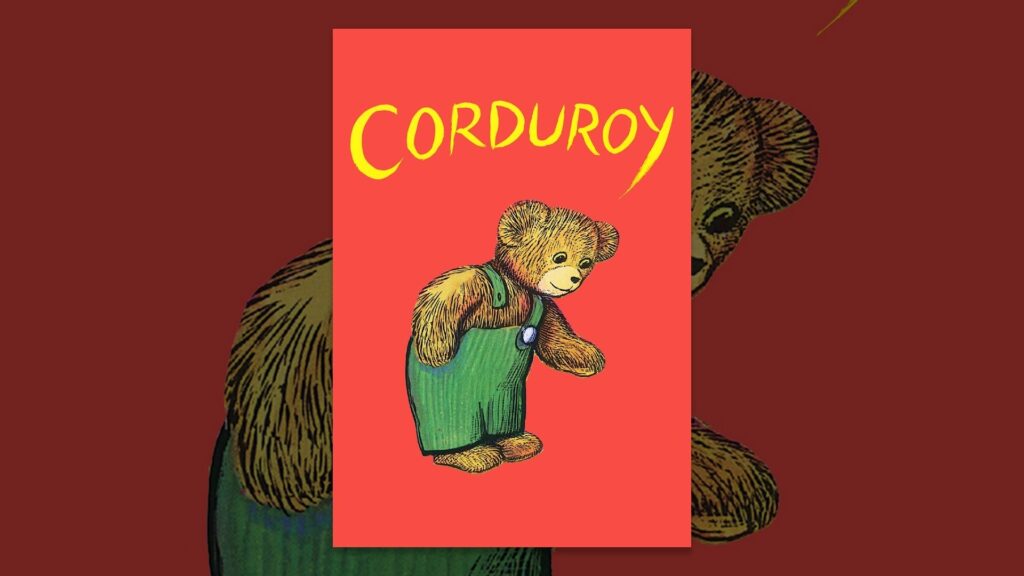
Corduroy, a small stuffed bear living in a department store, longs for a home but worries that his missing button makes him unlovable. When a little girl takes interest in him, Corduroy sets out to explore the store at night in search of the button he believes will finally make him “good enough.” His nighttime adventure becomes a gentle tale of hope, longing, and the universal desire to belong.
The short film stays loyal to Don Freeman’s story, preserving its nostalgic tone and heartfelt simplicity. The animation adds subtle motion and warmth to the nighttime department store, capturing the wonder children feel in familiar places after dark. Though a few scenes are extended to support the runtime, the film never drifts from the original theme of unconditional acceptance.
What Kids Learn From Corduroy: Children learn that worth isn’t something you earn with perfection—it’s something you already have simply by being yourself. Corduroy’s belief that he needs to “fix” himself mirrors a common fear children experience, and the film reassures them that love doesn’t depend on appearances. The story teaches kids that mistakes and imperfections don’t diminish their value. It also encourages curiosity, resilience, and openness to connection. Ultimately, children see that a sense of home comes from being accepted exactly as you are.
Harry The Dirty Dog (Runtime: 10 minutes)
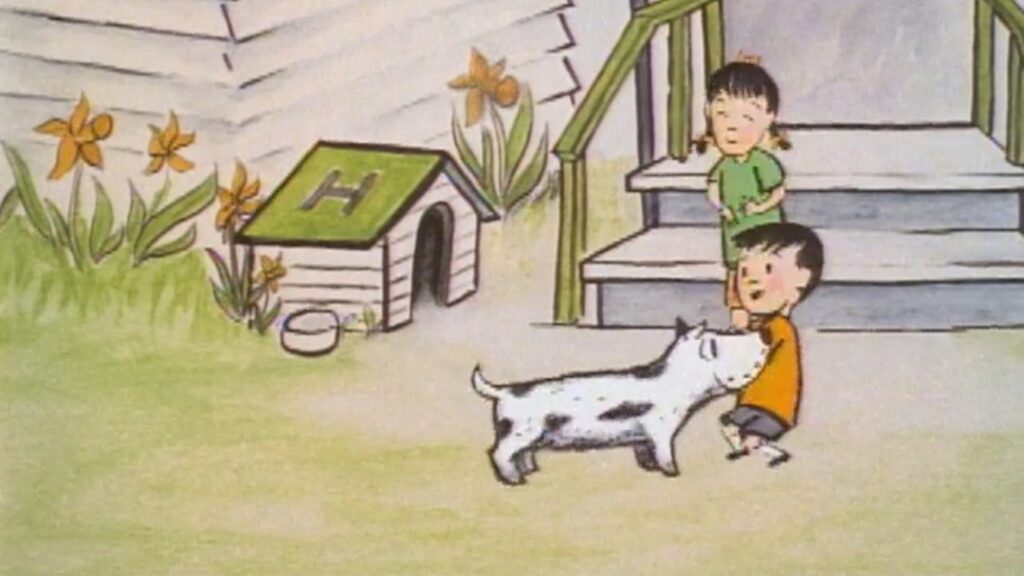
Harry is a playful dog who hates baths, so he hides the bath brush and runs away on an adventure that leaves him dirtier and dirtier. By the time he finally returns home, he’s so filthy that his family doesn’t recognize him. Realizing he misses his family more than he dislikes baths, Harry finds a way to communicate who he really is and reunites with the people who love him.
The film adapts Gene Zion’s classic book with gentle loyalty, capturing its simple humor and wholesome energy. The hand-drawn animation reflects the original illustration style, giving the short a vintage charm that feels warm and familiar. Though some transitions are smoothed out for pacing, the story remains nearly identical, preserving all essential plot moments.
What Kids Learn From Harry the Dirty Dog: Children learn that avoiding responsibilities often leads to bigger problems, and that sometimes facing something uncomfortable—like a bath—is the quickest way back to comfort and connection. The story shows kids that family is a source of safety, even when disagreements arise. Through Harry’s experience, young viewers understand that actions have consequences and that admitting when you need help is a sign of maturity. The film gently encourages responsibility, self-awareness, and honesty. It also reinforces the idea that coming home, even after mistakes, is always possible.
The Snowy Day (Runtime: 38 minutes)
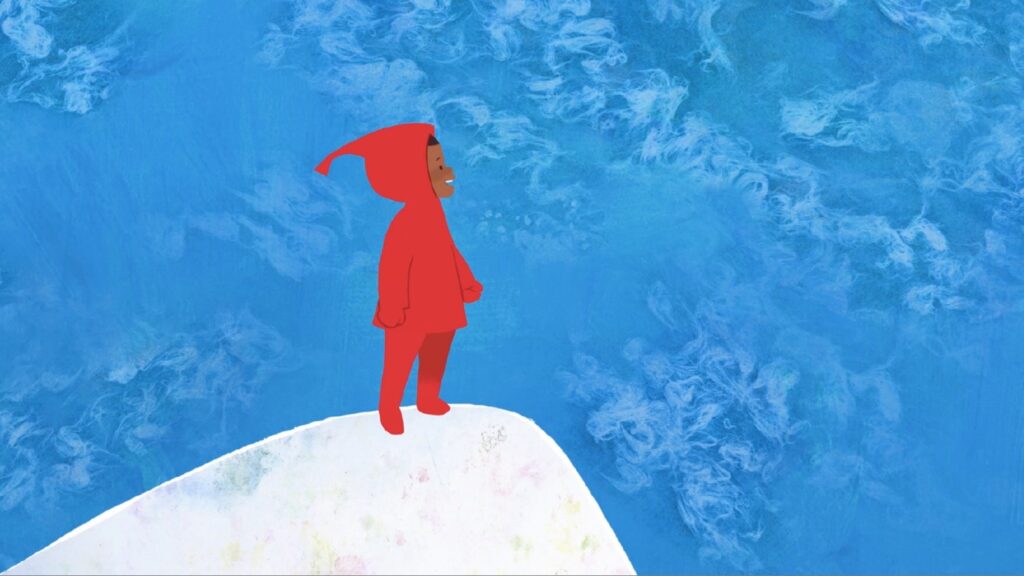
Based on Ezra Jack Keats’ iconic picture book, this adaptation follows young Peter on a magical winter’s day as he explores his neighborhood after the first snowfall of the season. Through imaginative play, new discoveries, and small emotional moments, Peter navigates the wonders of snow—from crunching footsteps to snow angels to quiet observation. The film expands the story into a celebration of childhood curiosity and seasonal joy.
The adaptation expands significantly on the original text while staying committed to the spirit of Keats’ groundbreaking illustrations and themes. Additional dialogue and narrative depth give Peter’s world texture and personality, while the visual style honors the book’s collage aesthetic. The longer runtime allows the filmmakers to explore Peter’s relationships and environment in a way that complements the original without replacing it. As a Christmastime loving family, The Snowy Day book is a mainstay in our home and this book-to-movie adaptation added new layers to the book which I found to be an excellent expansion on the book’s narrative.
What Kids Learn From The Snowy Day: Children learn to appreciate the beauty in small moments and the magic of exploring the world at their own pace. The story encourages mindfulness and observation, showing kids how everyday environments transform when viewed with curiosity. Through Peter’s experiences, young viewers see that independence grows through simple adventures and that joy often comes from slowing down. The film also reinforces cultural representation, belonging, and confidence. Above all, it celebrates the wonder of being fully present in childhood experiences.
Owl Moon (Runtime: 10 minutes)
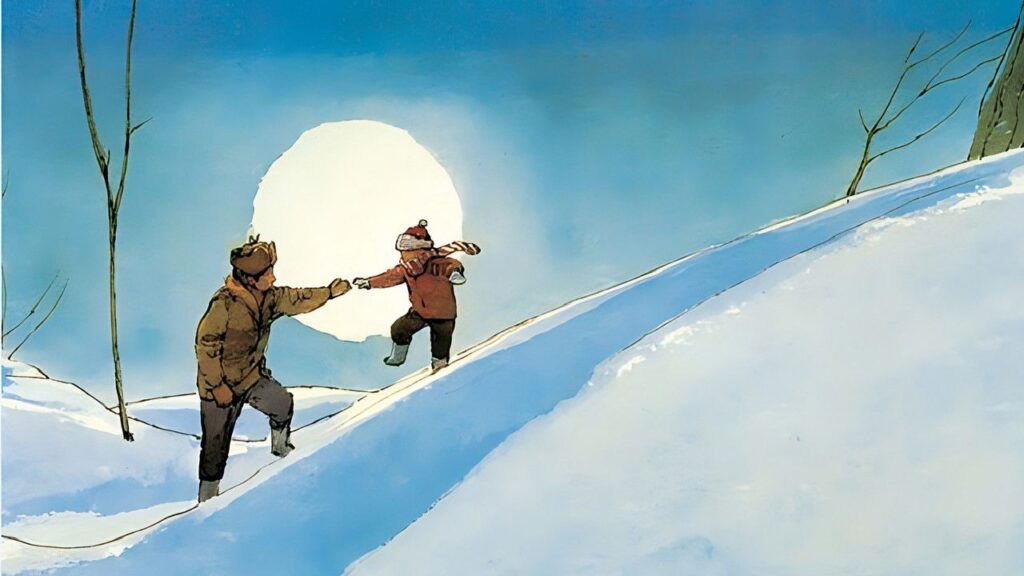
This gentle story follows a young child and their father as they venture into the snowy woods at night in search of a Great Horned Owl. The quiet landscape, illuminated only by moonlight, becomes a space for connection, patience, and shared wonder. As the pair walk deeper into the trees, the child learns the importance of listening, observing, and moving respectfully through nature, all while hoping to hear the owl’s mysterious call.
The short film adaptation honors Jane Yolen’s poetic language and serene tone with careful precision. Its animation captures the stillness of winter and the beauty of nighttime landscapes, allowing the book’s imagery to expand naturally on screen. Although the film adds visual movement to support the narrative, it remains completely aligned with the spirit of the original text. Every choice reinforces the book’s quiet, contemplative mood.
What Kids Learn From Owl Moon: Children learn the value of patience and the calm that comes from slowing down long enough to truly notice the world around them. The story teaches that nature reveals its magic to those who move gently and respectfully. Through the child’s bond with their father, young viewers understand how shared experiences build connection and trust. The film reinforces that courage doesn’t always mean being loud or brave in traditional ways—it can also mean stepping into the quiet unknown with someone you love. Ultimately, children see that wonder often lives in the stillness between moments.
The Very Hungry Caterpillar (Runtime: 25 minutes)
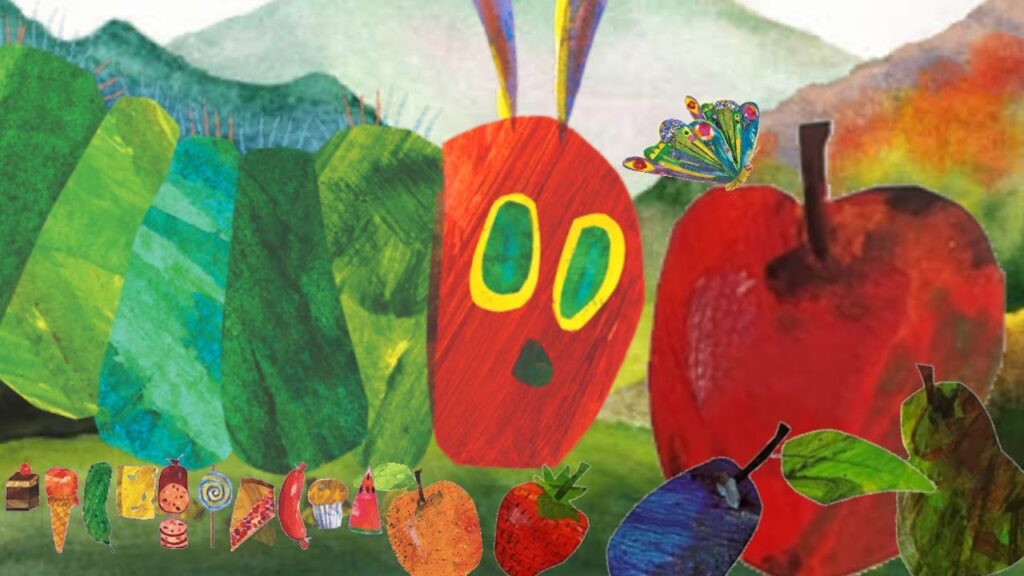
This classic story follows a small caterpillar who hatches from an egg and begins his journey through a week of colorful foods. As he eats more and more, children watch him grow, experience discomfort, and ultimately transform into a beautiful butterfly. The simple narrative and bright illustrations make the caterpillar’s progression easy for even the youngest viewers to follow, turning a basic life cycle into a memorable adventure.
The short film adaptation remains extremely faithful to Eric Carle’s original vision. It uses the same distinctive collage-style animation and preserves the book’s iconic pacing, including the progression of the days and foods. While the film adds gentle music and soft narration to enrich the experience, it never alters the educational framework or core messaging. The story is reproduced almost exactly as children experience it on the page. A classic book and a classic short film, what’s not to love?
What Kids Learn From The Very Hungry Caterpillar: Children learn that growth happens gradually and that change, even when it feels uncomfortable, leads to new possibilities. The story teaches kids that our bodies need care, balance, and patience. Through the caterpillar’s journey, young viewers understand that transformation is a natural part of life and that every stage has its own purpose. The film also encourages curiosity about nature and the cycles that shape our world. Ultimately, children see that even the smallest beginnings can lead to extraordinary outcomes.
The Lost Thing (Runtime: 15 minutes)
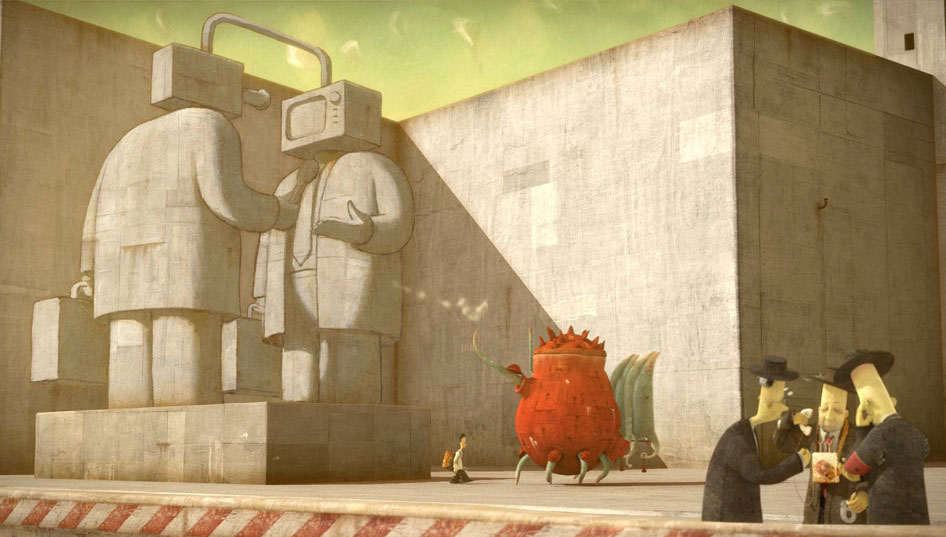
A boy wandering along a beach discovers a strange, whimsical creature that no one else seems to notice or care about. As he tries to find where the creature belongs, he encounters a world so busy and distracted that there’s little room for anything unusual. His persistence and kindness guide the creature through bureaucratic confusion toward a place where it finally feels accepted.
The film adaptation mirrors Shaun Tan’s surreal, intricate illustrations with stunning fidelity. The animation brings the creature and world to life with imaginative detail, expanding on the book’s atmosphere without distorting its message. While the short adds visual transitions and additional interactions to support the narrative, it preserves the story’s contemplative tone and emotional depth. Everything remains true to Tan’s vision of a world that struggles to see the unfamiliar. I admittedly had never heard of The Lost Thing but in researching short’s I may have missed I stumbled on this adorable gem of a book adaptation and it’s definitely worth a watch.
What Kids Learn From The Lost Thing: Children learn that compassion sometimes means noticing what others overlook. The story teaches kids that kindness requires attention and that helping someone is not just about solving a problem, but about making them feel seen. Through the boy’s efforts, young viewers understand that unfamiliar or different things aren’t scary—they’re opportunities for connection. The film encourages reflection on how busyness can cloud empathy, urging children to stay curious about the world around them. Ultimately, it shows that belonging is a basic need that everyone—no matter how unusual—deserves.
The Snowman (Runtime: 27 minutes)
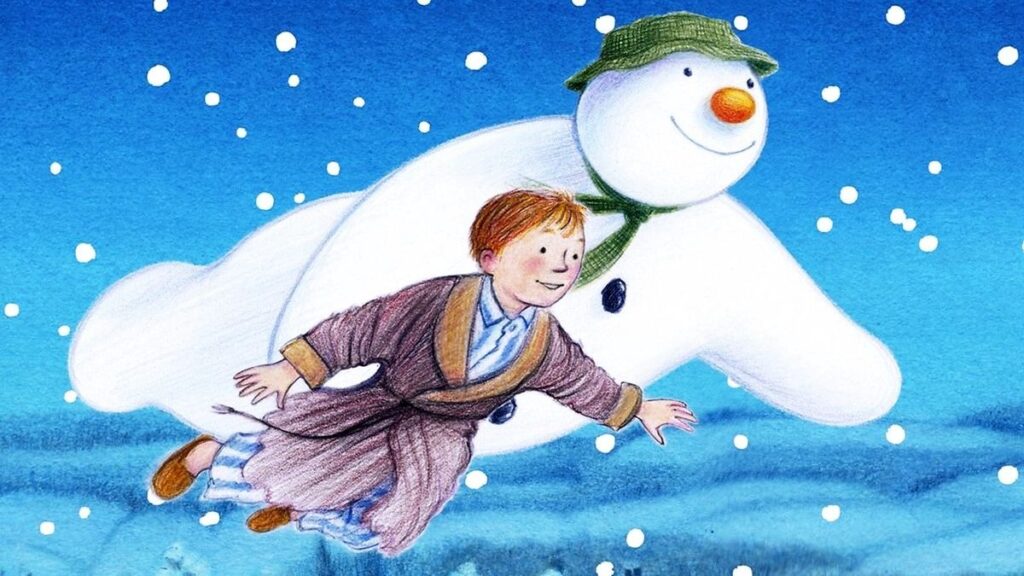
This beautifully animated story follows a young boy who builds a snowman that magically comes to life at night. Together they explore the boy’s house, wander through the quiet winter landscape, and eventually soar through the sky on a breathtaking nighttime flight. The gentle pacing, wordless storytelling, and emotional atmosphere make the adventure feel dreamlike and deeply memorable.
The short film stays faithful to Raymond Briggs’ picture book in both tone and visual style. Its animation closely mirrors the soft, textured artwork of the original, and the decision to keep the story without dialogue honors the book’s emphasis on mood rather than words. A few scenes are lengthened for dramatic effect, but the adaptation remains a near-perfect representation of the original’s spirit and poignancy. At just 27 minutes this film manages to pack in a ton of lessons and values for children to learn from throughout a viewing.
What Kids Learn From The Snowman: Children learn that some experiences are beautiful precisely because they are fleeting. The story teaches kids to appreciate magical moments without holding too tightly to them. Through the boy’s adventure, young viewers see how imagination transforms ordinary days and how connection can form even without words. The film encourages emotional awareness by showing that joy and sadness can coexist within the same memory. Ultimately, children learn that saying goodbye is part of life, and that special moments remain meaningful even after they end.