


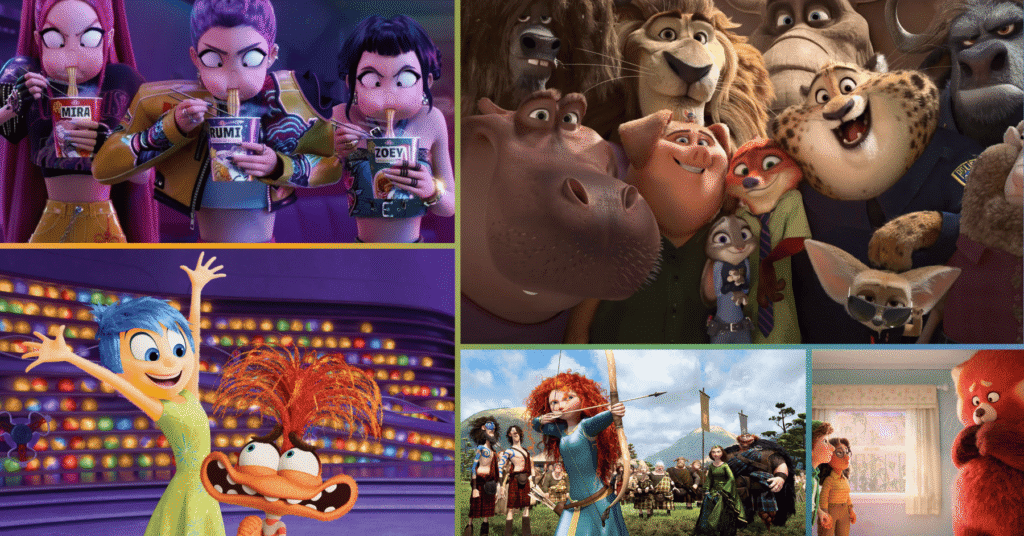
Animated movies impart unforgettable life lessons, offering new insights with every rewatch. The catchy songs and unique character development explore themes of identity, confidence, and self-worth. They can teach kids—and even adults —the powerful reminder that true happiness comes from self-acceptance, not societal expectations. A hero learning to embrace their quirks and young characters discovering their inner strength are stories that show why self-acceptance is a powerful trait to learn at all ages, especially for children.
Self-acceptance was a difficult concept for me to grasp as a child. There were times I thought other girls were prettier than me, as I unfortunately struggled with weight problems as early as age 8. As I entered high school and developed my identity around the time I started dating at 14, I learned that it’s about someone’s character, not how they look. Every person has flaws, but it’s up to the individual to overcome those downfalls and capitalize on their strengths for success.
Spoiler Alert: There are spoilers ahead, so if you want to avoid major plot reveals, just read through to the highlighted section for each movie that focuses on what children learn about self-acceptance.
Here are the films I’m showing my kids to teach them lessons in self-acceptance.
KPop Demon Hunters (2025)

This is the year of dynamic demon hunters dressing up for Halloween in celebration of the hit Netflix summer release film, KPop Demon Hunters. My eldest daughter is dressing as Zoey in their final golden costume at the end of the movie. HUNTR/X is the K-pop band that has taken over the next generation of demon hunters. Their songs and battle tactics keep demons from taking humans’ souls. Rumi is the lead singer who, except for Celine, nobody knows is half-Demon. She has trouble accepting who she is because she covers up her patterns and keeps them a secret from her friends and bandmates, Mira and Zoey. When the whole world discovers Rumi’s secret at the Idol Awards, she’s ready not to hide who she is anymore and accepts that she was born half Demon. Jinu of the Saja Boys also has self-acceptance battles, coming to terms with leaving his family behind hundreds of years ago to eat with the higher society in the palace. If you haven’t watched this top cartoon movie about self-acceptance yet, you’re missing out!
What KPop Demon Hunters Teaches Kids: True self-acceptance means coming to terms with the parts of yourself you dislike or try to hide. Humans aren’t perfect. We all have flaws and weaknesses, but innumerable strengths make each of us unique and valuable.
Turning Red (2022)

2022 was a lively year for my family. My only son was born in January, my daughter turned 4 in March, and one of her favorite Disney movies, Turning Red, came out around her birthday. She was constantly watching it a few months after the movie was released on Disney+. Mei Lee is thirteen years old, facing a tough battle with herself to be her mother’s responsible daughter and to explore the world of her new teenhood desires. To make matters worse, Mei Mei discovers a family trait where if she gets too emotional or excited, she transforms into a red panda.
What Turning Red Teaches Kids About Self-Acceptance: As children grow into adolescents, they can learn to balance responsibility with a healthy social life. Puberty is a rollercoaster of changing interests, mood swings, and new challenges throughout teenhood. There’s a huge struggle teens face as they strive to gain independence while meeting parental expectations. While I have 6 years until I have a teenager, I know 2031 will be a big year of changes for my eldest daughter. I will let her explore her world with reason, doing my best to overcome my usually overprotective nature.
Inside Out (2015)
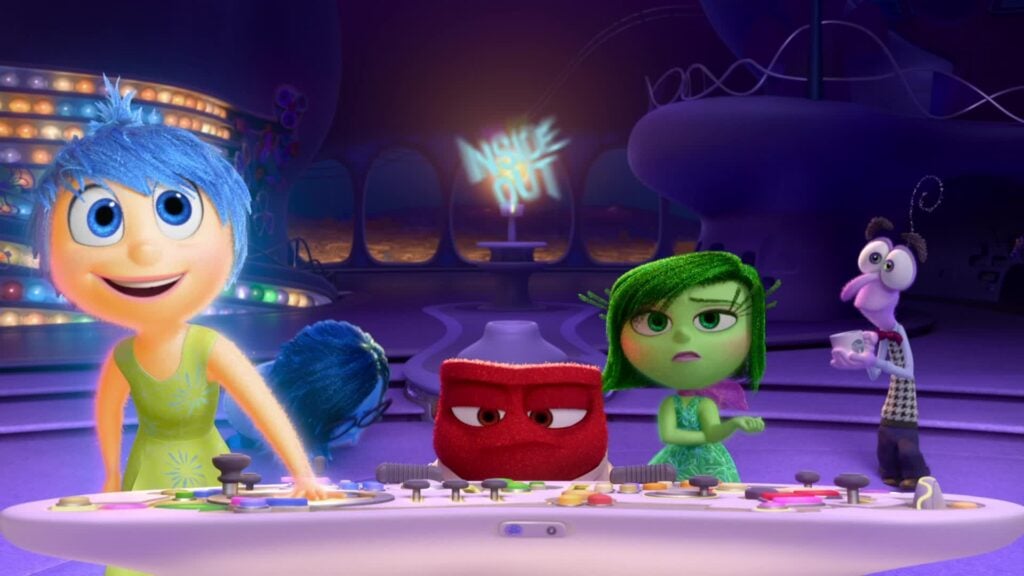
My first exposure to Inside Out was when I took a girl I was mentoring to a local library event showing the movie. Then my daughter fell in love with the film after watching it before the sequel’s 2024 release. The movie follows Riley Andersen’s birth and early life as new emotions arrive in her brain with new experiences. Joy, Sadness, Disgust, Anger, and Fear help Riley display her emotions throughout daily activities. The biggest problem arises when Riley has to move with her parents from Minnesota to San Francisco. She gets homesick when talking to her friends from her former hockey team. Eventually, Riley starts lying to her parents and runs away from home. She realizes it’s okay to have complex emotions during a big life change, like moving to a new city, and returns home to her parents.
What Inside Out Teaches Kids About Self-Acceptance: Understanding and accepting all emotions —not just the happy ones —builds self-acceptance of who you are. Even the negative feelings contribute to growth, connection, and healthy coping mechanisms. Embracing these nuances helps individuals feel whole rather than beating themselves up when feeling negative emotions. My eldest daughter felt her first experience of intense grief after her stepfather passed away unexpectedly in March 2024. My daughter and ex-husband still maintained a close father-daughter relationship. It was devastating to see her so downtrodden as I was navigating my grief with his passing, too. She now knows that even the most negative feelings are okay to experience and that she will eventually get through them.
Inside Out 2 (2024)

Riley is a teenager now, and older viewers know what that means: puberty. The original emotions are surprised to discover that Headquarters is undergoing renovations and receiving a new control module. With these new renovations also come new emotions Riley begins experiencing on the regular: Anxiety, Ennui, Embarrassment, and Envy. These 4 new emotions attempt to suppress Joy, Fear, Anger, Sadness, and Disgust. Anxiety leads Headquarters to try to get Riley to embark on a journey by any means necessary to become a member of the Fire Hawks like her idol, Valentina Ortiz.
What Inside Out 2 Teaches Kids About Self-Acceptance: Accepting the messy or uncertain parts of yourself is a massive journey as you grow up. As new experiences occur, more complex emotions arise. Being a perfect, always-happy person doesn’t foster true self-acceptance. It’s about learning to navigate the different versions of yourself to discover the core of your identity.
The Emoji Movie (2017)
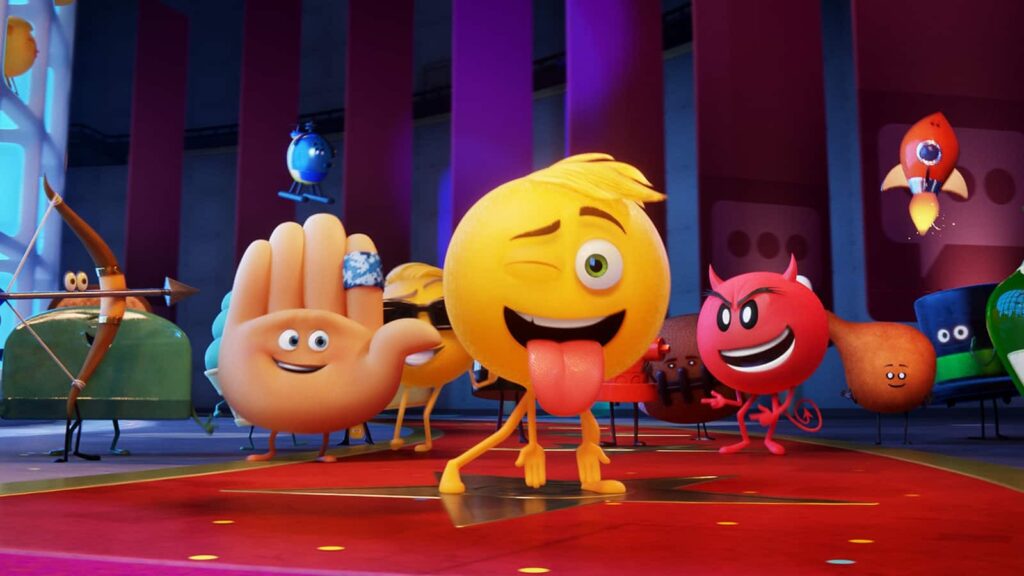
My daughter recently chose The Emoji Movie for family movie night, which inspired this article. Gene is an emoji who can feel different emotions. This is unacceptable in Textopolis as each emoji is only supposed to have one emotion. Despite his quirks, he’s ready to work on the emoji board as “Meh”. He goes on the run with Hi-5 and Jailbreak to turn himself into an actual “Meh” emoji so his boss doesn’t erase him from the smartphone. Gene learns later in the movie that his changing emotions stem from his father, who can do the same. He embraces who he is as an emoji, showing different emotions, when he saves Textopolis from the smartphone owner’s intended factory reset.
What The Emoji Movie Teaches Kids About Self-Acceptance: Don’t fit yourself in a narrow definition of what society believes is “normal”. Embracing one’s individuality ensures the person’s happiness. Everyone is unique and should celebrate their differences rather than hide them to fit societal expectations.
Encanto (2021)
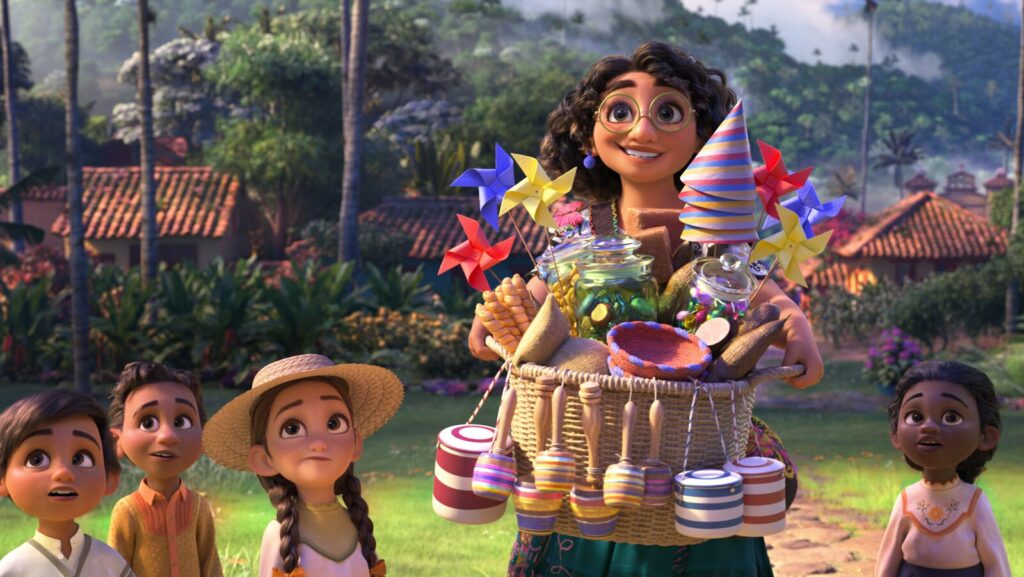
Encanto was another movie my daughter had on repeat. Going to the movie theaters with her step-grandma was her first-ever experience in this setting. I was heavily pregnant with my son at the time, so I didn’t want to take the chance of my water breaking while in the movie theaters. Maribel Madrigal is the only person in her family without a special power. Her sister, Luisa, has super strength, and her other sister, Isabela, can make flowers. She tries to help the family any way she can, but feels she gets in the way. A family argument leads to their magical home, Casita, falling into shambles. Maribel seeks help from her Uncle Bruno to understand what his vision means after Casita’s death. Eventually, Maribel accepts she doesn’t have powers, but placing the doorknob on the newly rebuilt Casita reveals a shocking surprise.
What Encanto Teaches Kids: Self-worth isn’t generated from special powers or talents but from who you are on the inside. All individuals contribute value to the world, even if their strengths and abilities are different from those of others around them. Achieving true self-acceptance means knowing you are enough, as you are.
Home (2015)
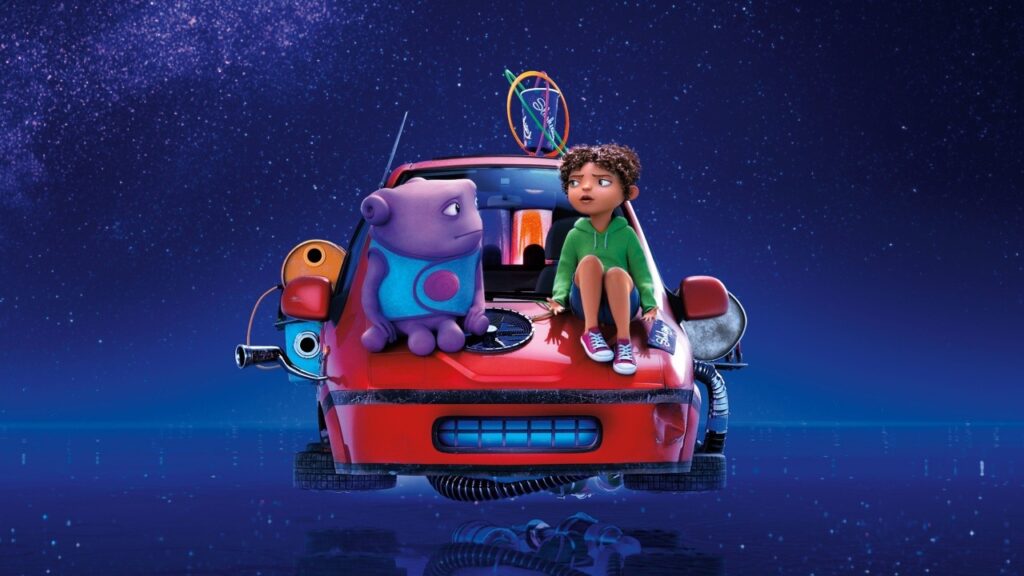
I remember watching this film with my eldest daughter when she was 6 months old in 2018. It’s a cute film about a fugitive Boov alien named Oh, who teams up with a young girl, Tip, to save her mother from the aliens who captured her. Oh deals with his self-acceptance battles over his preference for fun and spontaneity, while his brethren embrace structure. Inviting the whole galaxy to a party puts the Boov population in trouble when their enemies, the Goorg, hear about it and invade. They take over Earth to save themselves, hence why Tip’s mom and other humans got kidnapped. Oh learns to embrace who he is, even if he’s different from other Boovs, and they grow to accept him. Despite being annoyed about his differences, Oh stays true to himself, and his perseverance pays off in the end.
What Home Teaches Kids About Self-Acceptance: What makes you who you are is a treasure to behold. Despite others wondering why you’re so different, keep being who you are. It’s not your job to impress everyone, but it is your duty to stay true to yourself. I remind my oldest daughter that true friends will stick around and accept you as you are.
Kung Fu Panda (2008)
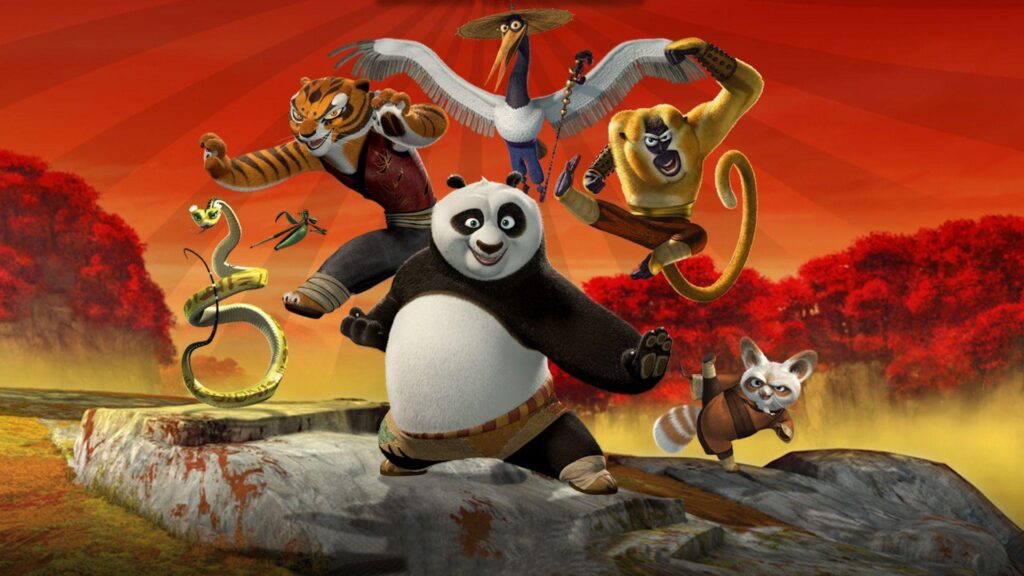
Clumsy Po the Panda is up for a fantastic discovery. He’s always loved kung fu and has idolized the Furious Five for years. Po is chosen to fulfill a prophecy in becoming the Dragon Warrior and defend the Valley of Peace from the clutches of Tai Lung’s impending attack. He trains under Master Shifu independently and under the tutelage of the Furious Five. Po faces many challenges with self-acceptance as he discovers his niche battle style and prepares physically to take down Tai Lung. When all hope seems lost, Po fulfills the prophecy and keeps the Valley of Peace protected.
What Kung Fu Panda Teaches Kids About Self-Acceptance: Determination and true grit can build a person’s potential to achieve what may be perceived as unachievable. Building self-acceptance through perseverance and practice is notable for honing new skills. Embracing who you are rather than trying to be like someone else is the first true step to accepting oneself.
Shrek (2001)
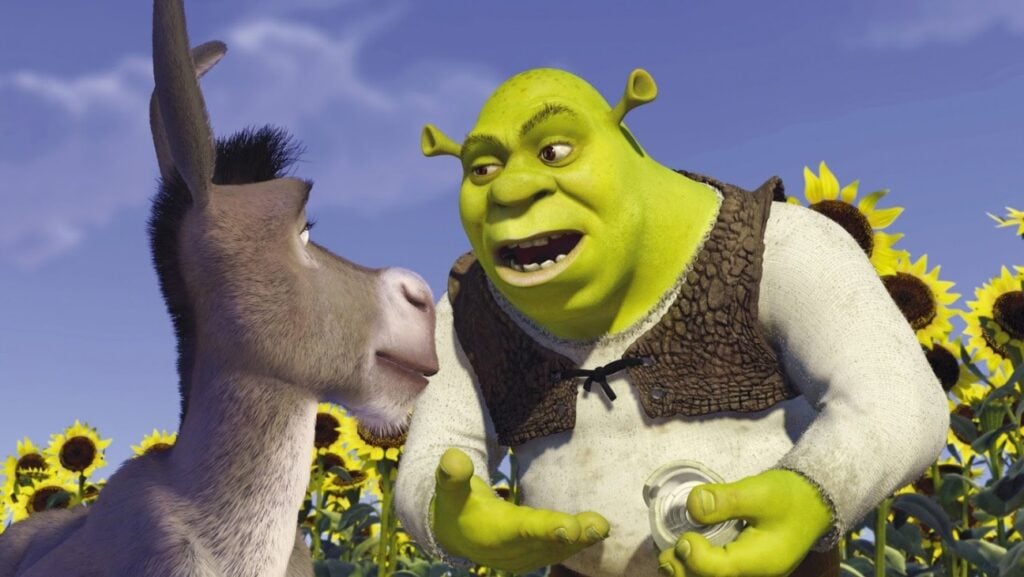
Shrek was one of the movies on repeat in my household growing up because of its fairy-tale themes, action, and real-life lessons in self-acceptance. The titular main character is an ogre tasked by Lord Farquaad to rescue Princess Fiona so that all the fairy tale characters invading Shrek’s swamp can leave and go back to where they came from. What he doesn’t know at first is that she turns into an ogre at night. The two form an unlikely loving bond during battles of self-acceptance. Shrek first believes Fiona could never love an ogre like him, while she thinks it would not be proper to marry Shrek because it’s been destined for her to marry a prince and break the ogre at night spell on her. Princess Fiona rejects Lord Farquaad’s proposal to marry Shrek at the end of the movie after realizing love is about what’s on the inside and not on the outside.
What Shrek Teaches Kids About Self-Acceptance: True beauty comes from within, and self-acceptance is the first step toward real happiness. Everyone deserves love and respect, even if the bonds formed and how people look together seem unusual. Friendship and honesty are more valuable than upholding appearances and titles.
Ratatouille (2007)
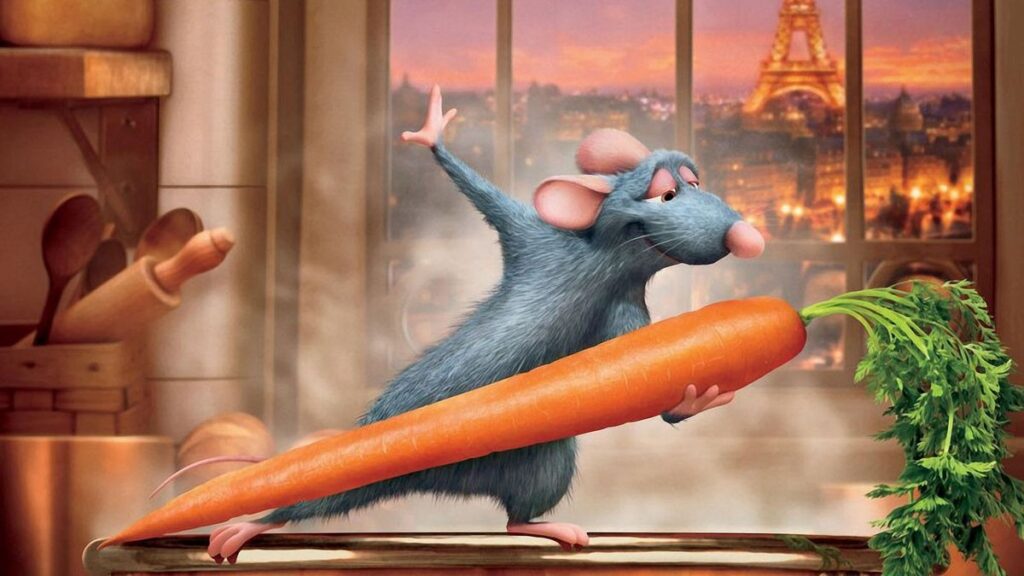
Remy learns to accept himself as he pursues his dream of becoming a chef like his idol, Auguste Gusteau. Despite being a rat, Remy achieves his goal even as his family of naysayers tells him he can’t. The young rat with big dreams partners with Alfredo Linguini and teaches him to cook. Over time, Alfredo excels in his position within the restaurant, from garbage boy to chef. Everyone thinks it’s Alfredo doing all the cooking when it’s truly Remy. Society accepts the cooking duo after a renowned critic writes a raving review about the restaurant.
What Ratatouille Teaches Kids About Self-Acceptance: Don’t let what others tell you form your destiny. Narrow-minded people are usually pessimistic and reluctant to take action. Instead, they wallow in their situation and do not take the steps towards achieving true change. Societal stereotypes and expectations shouldn’t shape one’s journey. Their beliefs and aspirations should be the driving force towards success.
Moana (2016)

Moana is a young Polynesian princess who has trained her whole life to become the next chief of her people. Her father scolds her for being drawn to the ocean because he was the same way as a young child, resulting in him losing his closest friend. She doesn’t understand her father’s overprotectiveness until her mother explains the story. Moana struggles with self-acceptance because she feels like a horrible daughter, always wanting to be near the ocean rather than training for her destiny as chief. Her grandmother, Tala, knows Moana is destined to restore the heart of Te Fiti with the help of the demigod Maui and save their people from depleting resources that will lead to starvation. Moana does just that while accepting that her love of the ocean can also coexist with her new chiefly duties.
What Moana Teaches Kids About Self-Acceptance: Trust your intuition and embrace who you know you’re meant to be. Fit into a mold you create for yourself, not one that others mandate for you. I watched this movie before becoming a parent in 2018 because of my love for dynamic coming-of-age tales. Then I met my stepdaughter in 2017, and this was her favorite movie at age 2. As if history were repeating itself, my eldest daughter had Moana on rewatch around age 3-4. I still have her Moana costume for my youngest daughter to grow into.
Balto (1995)

What I love about Balto is that it’s a cartoon movie about self-acceptance based on a true story. The more endearing element is how the animators and writers captured the animals’ perspectives through storytelling. Balto was the half-wolf, half-dog member of the sled crew responsible for delivering medicine to sick children during a diphtheria epidemic in Nome, Alaska, in 1925. He risks his life to find the original team lost in the snow and to deliver the medicine to the sick children. Balto battles self-acceptance by pushing through to help others in trouble, even against the human naysayers and his main enemy, Steele.
What Balto Teaches Kids About Self-Acceptance: One’s background doesn’t define who you are or your limitations. Background and experiences contribute to one’s uniqueness. True self-acceptance means accepting individuality and persevering towards your goals. My oldest daughter has watched high-income YouTube stars before and has told me she wishes we were rich. I remind her that someone having more money doesn’t make them better than others. We can still have fun and engage in great experiences even if we are lower-income than the idols she watches on YouTube. I limit YouTube to 1 day per week for balance.
Zootopia (2016)

With Zootopia 2 coming out this Thanksgiving, it’s fitting to mention the original title in this list of self-acceptance cartoon movies. Judy Hopps’ dream of becoming the first bunny police officer is constantly challenged. Her parents prefer her to help on the family farm, but they eventually accept Judy’s career choice to support her aspirations. The other Zooptopia Police Department members take her for granted because of her size and because they perceive her as lacking intelligence. She proves them wrong by catching the bad guy in a string of conspiracies that initially have the city believing a lie.
What Zootopia Teaches Kids About Self-Acceptance: The journey of self-acceptance begins with believing in your true potential. It doesn’t matter what others say about what you can do. It matters more about one’s work ethic and determination to achieve their goals. When my daughter gets upset about messing up one of her drawings, I encourage her to turn that “mistake” into part of the presentation.
Wreck-It Ralph (2012)

For once, Wreck-It Ralph wants to be the hero in a video game rather than the villain. He resents Fix-It Felix because players celebrate him as a hero. Rather than be feared by players, Ralph wants to be celebrated as a good guy, too. He sets out on a journey alongside Vanellope, a glitchy racer who is also grappling with identity issues. Both of them discover that being different and not who they exactly want to be doesn’t define who they are. The duo works to recapture an enemy threatening the whole arcade that Ralph accidentally unleashes.
What Wreck-It Ralph Teaches Kids About Self-Acceptance: There’s no need to change who you are for people to accept you. Being a kind and honest person is the main trait you need to connect with others in life. Be yourself, and the rest of the puzzle will fall into place. I teach my children that if anyone puts them down for acting like themselves, they should stand tall and not listen to their harsh words.
Finding Nemo (2003)

Watching Finding Nemo as a child (I was 9 when the movie debuted) reminded me of how overprotective my mom was of my brother and me. Nemo the clownfish struggles to accept himself for being born with a defective fin, so he can’t swim as quickly as his peers. Marlin, his father, struggles with self-acceptance, feeling that his overprotectiveness pushed his son away and led to the unfortunate situation of humans capturing him for their aquarium. The father-and-son duo learn to accept themselves for who they are and to embrace each other’s quirks, living more peacefully by the movie’s end.
What Finding Nemo Teaches Kids About Self-Acceptance: Taking risks helps individuals to grow. Sometimes mistakes help shape confidence and resilience through life’s challenges. Youths should listen to their parents’ guidance, but they should also speak up when they feel like their individuality is being tarnished. For some overprotective parents, this concept can be complex to understand as they learn to let go and allow their kids to have life-changing experiences. My eldest attended daycare for 2 months before COVID started, then she went to Head Start when she was four and a half years old. It took me a long time to let go and allow her to enroll. Between caring for her and my newborn son, freelance writing at home, and handling household responsibilities, life got very hectic. She excelled at the Head Start and made new friends, which really helped me during the day and helped her build her social skills.
Finding Dory (2016)

The endearing sequel to Finding Nemo lands Dory in an adventure to find where her parents are. Along the way, she’s annoyed by her short-term memory loss issue and how her inability to remember landed her in this situation of being estranged from her parents for so many years. Dory realizes, as she pieces together bits of her memory with the help of her friends, that her forgetfulness is part of her beautifully witty personality and not something that’s made her a broken fish. She discovers that her parents never stopped trying to find her, leading to a wonderful reunion at the end of the movie.
What Finding Dory Teaches Kids About Self-Acceptance: One’s weakness can sometimes become a strength. Managing weaknesses can be done with resilience and optimism as you take steps to strengthen them. Embracing the challenges and weaknesses that can be evoked in you is better character building than giving up because of them. My eldest daughter sometimes gets easily distracted by any of the activities she’s doing. She tries to watch the tablet while doing homework or her self-care routine in the bathroom. I remind her that it’s best to focus on one task at a time, completing it well before moving on to the next.
Kiki’s Delivery Service (1989)

Witches have a variety of skills, like flying, potion making, fortune telling, and spell casting. Kiki’s only skill is flying. She leaves home at age 13 to perfect her witchcraft and lands in a small town where she befriends an understanding, heavily pregnant woman named Osono. She offers Kiki to stay with her and her husband as she gets on her feet in the world as a young witch. Kiki helps the couple run their bakery by proposing a flying delivery service. Throughout the film, Kiki struggles to accept who she is, first when she meets a witch who is talented at fortune-telling, and later when Tombo’s friends judge her for being different. Her self-esteem and confidence dwindle to the point that she temporarily loses her flying powers. In the end, she’s celebrated for her flying prowess when she saves her new friend, Tombo, from a crashed blimp as her flying powers kick back in. Kiki learns self-acceptance by embracing her skills, even if they’re simple.
What Kiki’s Delivery Service Teaches Kids About Self-Acceptance: One’s talents develop at one’s own pace, not at everyone else’s. It’s okay to take time to rediscover your purpose if you’re going through a difficult time in life. Looking within yourself will help you hone your self-confidence, enhance your skills, and reach your dreams. I’ve watched this movie constantly since I was 7 years old, and this childhood favorite still teaches me lessons about self-acceptance to this day.
The Iron Giant (1999)
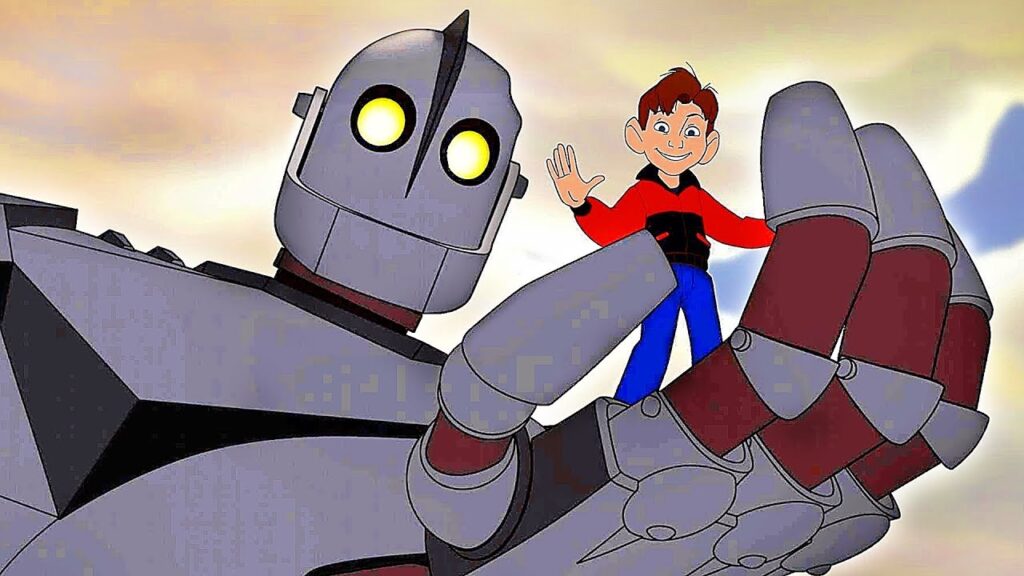
Hogarth befriends a robot, the Iron Giant. The boy teaches the robot that an individual can choose their own destiny without others intervening because they think he is dangerous. Kent Mansley is the government agent ready to destroy the robot, but Hogarth, alongside Dean McCoppin, does all they can to protect the Iron Giant. The robot sacrifices itself to prevent a missile from blowing up Rockwell. Even though everyone thinks he was destroyed, the robot had slowly started rebuilding himself, along with a screw that automatically moved away from Hogarth to go to the rest of his pieces in Iceland.
What The Iron Giant Teaches Kids About Self-Acceptance: Everyone has the power to choose compassion and kindness. Self-acceptance is realized when you block out the bad things others say about you and go on your intended journey anyway. Putting yourself before others is humble and admirable. My eldest daughter recently told me she gave her extra mandarin and sea salt crisps to her friend at lunch one day because the friend asked her for them, as she likes them. My daughter still had a sandwich, mandarin, pepperoni, and another snack so she was so kind to share.
Mulan (1998)

Mulan is my second-favorite Disney movie after Pocahontas. I often find myself still singing “Reflection” when it comes on while my kids and I watch it on Disney+. The film follows a young woman, Mulan, who takes her father’s place in an upcoming war. His frail body would have made him susceptible to more injury and possible death. Mulan feels like a failure as a daughter because the matchmaker deems her unfit as a bride, and she’s also discovered to be a woman while in the army. She learns to accept her unique traits, which set her apart from other women in her society. When she returns home, her father reminds her that the best honor is her being his daughter.
What Mulan Teaches Kids About Self-Acceptance: True courage comes from being yourself, not from being the person others expect you to be. Strength is defined by staying true to your values to make a difference rather than fitting in with the traditional norms society enforces.
Shark Tale (2004)

“Working at the car wash, yeah!” I had that version of the “Car Wash” song by Christina Aguilera and Missy Elliot on repeat back then. The main character, Oscar, desires the lavish lifestyle despite his current average career as a worker at the local whale wash. He has a shot at this life when he wrongfully takes credit for killing one of Don Lino’s sons and gets paid for this valuable accomplishment (it was an anchor that fell on Frankie, and Lenny witnessed his brother’s death). Oscar eventually admits that everything was a sham and that he’s not truly the Shark Slayer. This comes after Angie admits her love for him, but now says he’s a con because of his lies. Oscar learns to accept himself and what he has in his life rather than always wish for more.
What Shark Tale Teaches Kids About Self-Acceptance: True happiness comes from remaining honest with what’s happening and embracing who you are. Pretending to be someone you aren’t can damage current relationships and overall self-respect. Practicing integrity builds self-acceptance while preserving friendships and familial bonds. This was a lesson I had to learn the hard way growing up, and now as a parent, I constantly instill this lesson into my children.
Soul (2020)
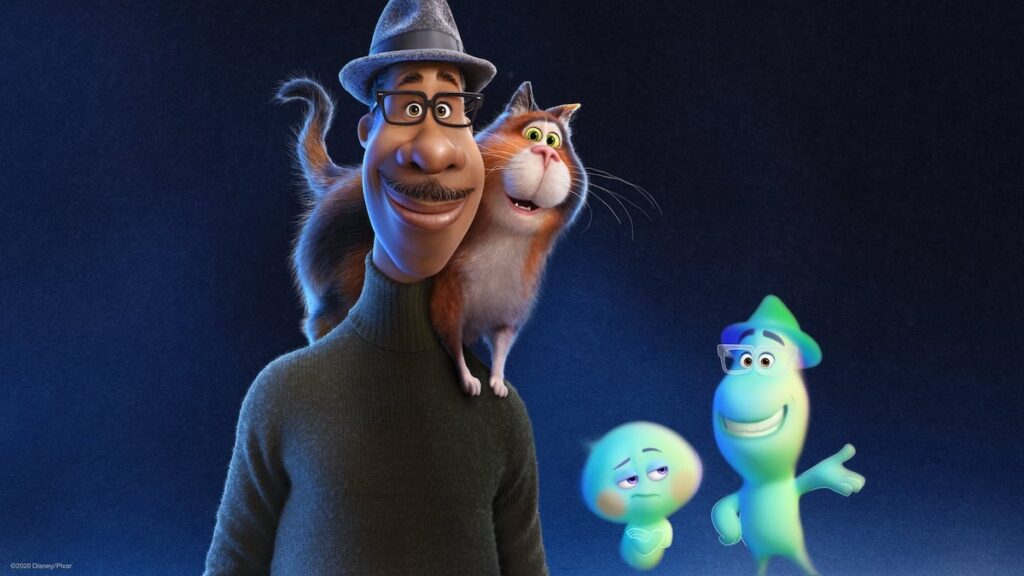
Joe Gardner hasn’t lost sight of his dream to be a professional jazz musician. He clings to the hope of achieving his dream, even while working as a middle school music teacher. An accident happens while walking home from work, forcing his soul away from his body. Joe learns the true meaning of life isn’t about one’s career or status but about how you live with purpose.
What Soul Teaches Kids About Self-Acceptance: Appreciate the daily joys around you. Embrace the good happening in your current life situation, as it can always be worse. Practice gratitude to appreciate what you have rather than resent what’s not going your way in life. This is something I remind my eldest all the time when she says she wishes she had more money to get everything she wants. I had this same mindset at her age. Now, I embrace the goodness around me daily rather than focusing on possessions.
Coco (2017)
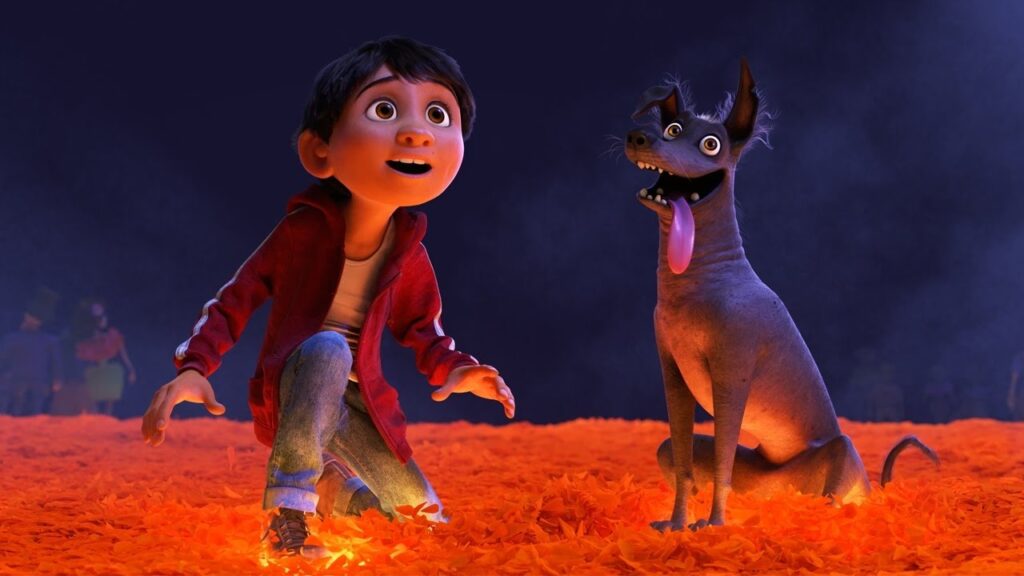
Miguel is adamant about becoming a famous musician despite his family’s ban on music altogether. He is downtrodden because he is the only one in his family who loves music, and he sometimes struggles with self-acceptance. The boy accidentally enters the Land of the Dead and learns that his great-great-grandfather, Hector, was the true lyricist behind the songs from his idol, Ernesto de la Cruz. When he returns home, he sings the song “Remember Me” to his great grandma, Coco, who lights up and interacts with the family for the first time in a long while. Despite Coco passing during a time skip in the movie, the family celebrates Dia de los Muertos with singing, dancing, and, of course, decorating the ofrenda with photos of their family members.
What Coco Teaches Kids About Self-Acceptance: Embrace your passions while honoring your roots. Never forget where you’ve come from because your background is a core foundation of who you are. How you explore and interact with the world as you discover your interests and aspirations shapes the rest of your identity. Even if others don’t agree with an interest, hobby, or career choice, go for it anyway to feel fulfilled in who you are.
Up (2009)

Carl Fredericksen lives a full and wonderful life with his wife. They meet in childhood, get married, and try to have children, only to eventually be unable to. However, they spend all their waking days together until she passes on. Carl is attached to his home and doesn’t want it demolished for construction work expansion in town. He ties balloons to his house to fulfill his wife’s last wish of visiting Paradise Falls. The elderly man experiences self-acceptance struggles in moving on with life after his wife’s death, causing him to be cold and distant. Meeting a young Boy Scout named Russell, who gets stuck at his home as the balloons lift it, helps Carl embrace the present, let go of the past, and become more light-hearted in his golden years.
What Up Teaches Kids About Self-Acceptance: Unexpected change and loss cause growth, no matter your age. Self-acceptance means finding new purpose in life through these challenges while staying open-minded to new experiences. I encourage my children to be kind to everyone they meet and to remain vigilant of those around them who may need a friend. You never know what life is like for someone else, so it always pays to be kind.
Brave (2012)

Princess Merida goes rogue by refusing to marry a suitor her parents choose for her. She struggles between fulfilling her parents’ wishes for her life and maintaining her independence by deciding whether to marry. There are moments when she feels almost forced to fall in line with tradition, but Merida’s resolve and blossoming self-acceptance lead her to take up archery for her own hand in marriage. She does so dynamically by getting an exact bullseye. Merida’s wish for independence leads to chaos, and a spell accidentally turns her mother into a bear, forcing Merida to save her mother from the villagers.
What Brave Teaches Kids About Self-Acceptance: Accepting who you are refines your courage and strengthens your relationships. Finding harmony between individuality and compassion is essential for practicing self-acceptance without losing empathy or respect for others’ perspectives. I’ve accepted who I am in how I sometimes overplan a day for the kids. Hence, I take constructive criticism from my children’s father when we have differing perspectives on how to spend visits. For example, I wanted us to attend two trunk-or-treats and a Halloween dance party at a local mall recently. By his suggestion, we instead took the kids to a Halloween-themed zoo event with trick-or-treating, animal sightseeing, a scavenger hunt, and bounce houses. This decision created a more interactive experience for the kids without requiring multiple stops.
